When the Owners Disagree: A Governance Lesson From the Tata Sons AGM
A holding company with a charitable majority owner, a departing chairman and a missed quorum. We don't take sides. We look at what the structure shows.

A long table with empty chairs and a gavel with a clock showing a late hour in charcoal and red palette · Editorial · Analysis preview.
The Historic Deferral: An Unprecedented Quorum Shortfall
On 18 August 2026, the annual general meeting of Tata Sons, the holding company of the Tata Group, was called off for lack of quorum. IANS reported that it was the first time the company had deferred an AGM. According to NDTV Profit, cited in the same report, the shortfall was linked to a restriction involving the Sir Ratan Tata Trust. The report did not explain the restriction in detail.
The Succession Backdrop: Term Limits and Strategic Debates
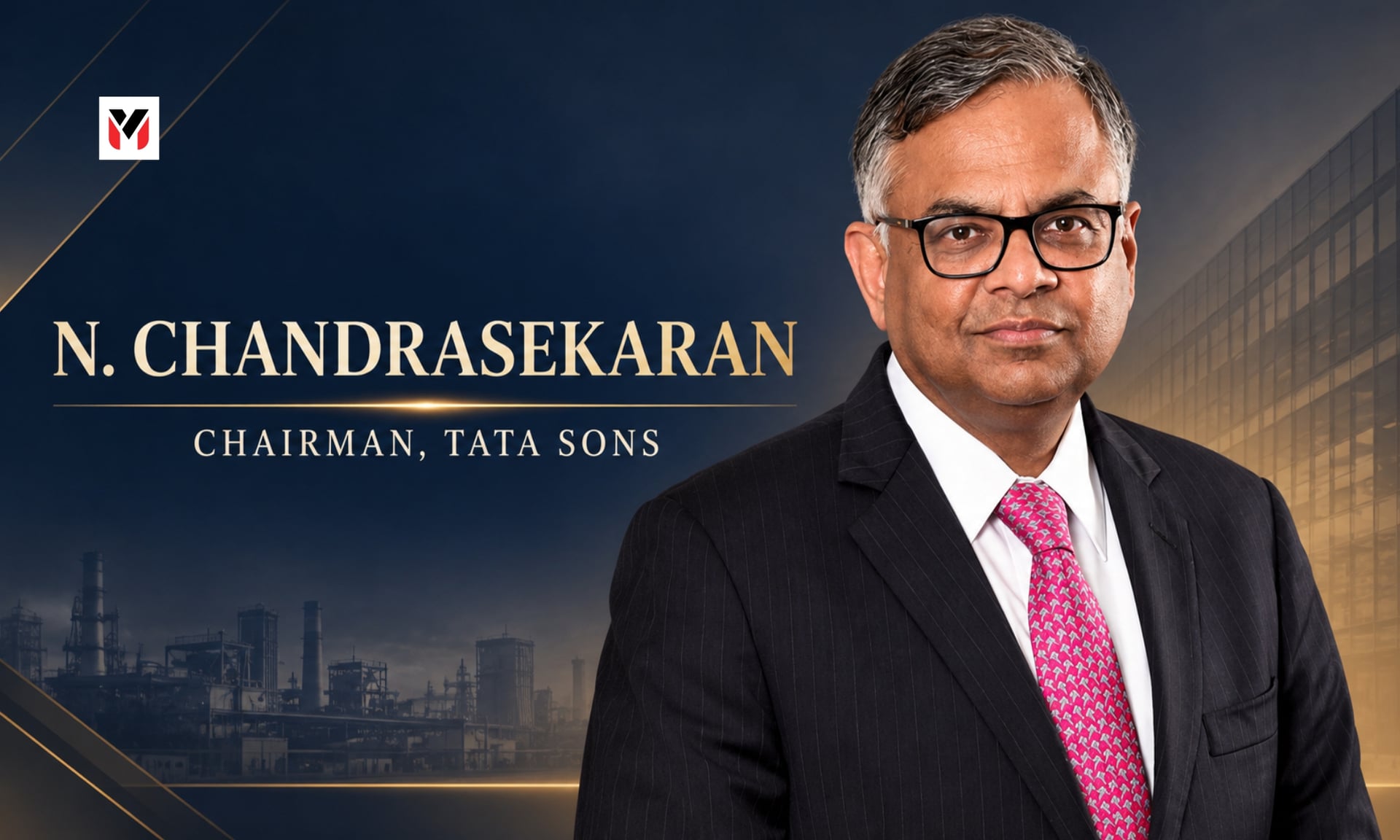
The background is a leadership transition. Chairman N. Chandrasekaran has decided not to seek another term, which ends on 20 February 2027. The Sir Dorabji Tata Trust has begun the search for a successor, and the appointment is to follow a formal committee process under the company's articles of association. Tata Trusts hold around two-thirds of Tata Sons, and its chairman, Noel Tata, is described as a key figure in the selection.
Chandrasekaran, as reported, said that six months after a May board meeting, no resolution had been reached; at that meeting, Noel Tata reportedly raised concerns about losses at some businesses. Other reports cite disagreement about whether Tata Sons should one day be listed.
We cannot verify the private conversations behind these reports, and the people involved have given only limited public comments. The lesson does not depend on who is right.
“A quorum is the quiet test of whether owners can work together.”
Three Structural Governance Realities
1. Who owns the company decides who can break a deadlock. When the largest shareholder is a set of charitable trusts, with their own trustees and rules, decisions follow the trusts' processes as well as the company's. That can protect a mission, but it can also make timelines hard to predict.
2. Quorum is not a technicality. An AGM needs a minimum number of shareholders present to proceed. When a major shareholder cannot attend, or is restricted from voting, the entire meeting can stall. Companies with a small number of large owners should know, in advance, what could prevent a quorum.
3. Succession rules should be written before they are needed. The articles describe a committee process. The delay shows how much depends on whether the people involved agree on the principles, such as how much independence the chairman should have and whether the company should list.
Actionable Mandates for Closely Held and Family Firms
A family company in Pimpri-Chinchwad or Rajkot is not Tata Sons, but the same questions apply to a firm with two brothers, a trust and a bank.
1. Write down who decides what. A one-page decision map (hiring a senior manager, taking a loan, selling an asset) prevents arguments. 2. Write down what happens when owners disagree. An independent adviser, a cooling-off period, or a vote can all work. Choose one. 3. Set the date for the next leader's appointment early. The Tata process began months before the term ends, but the disagreement still arrived late in the cycle. 4. Separate ownership from management. Owners set the direction; managers carry it out. Confusing the two causes friction. 5. Make loss-making units a board topic, not a hallway topic. Concern about losses at some businesses was reportedly raised at a board meeting. Boards are the right place for such discussions, with data in hand.
A Practical Checklist for Family Holding Companies
If your own company has several owners, a short list of protections costs little. Write the quorum and voting rules for owners' meetings in plain language, and test them by asking what would happen if one owner could not attend. Agree what happens to a chairman or managing director's role if owners disagree on renewal.
Keep one independent adviser, such as a retired judge, auditor or industrialist, whom everyone accepts and who can break a stalemate. Review these papers every three years. They rarely feel urgent until the day they are needed.
What to Watch & Why Governance Resonates Beyond One Group
The next steps are the selection committee's recommendation, the rescheduling of the AGM, and the answer to the listing question. Each will signal how the owners resolve the issue.
Why this matters beyond one group: India has many companies controlled by a small number of owners, among them promoter families, trusts and foundations. Their governance questions are real even if they rarely make headlines. Minority shareholders, lenders and employees all depend on these owners reaching decisions in an orderly way, which is why it is worth studying a public example before facing a private one.
Analysis built from public reports. We have not interviewed anyone at Tata Sons or Tata Trusts, and nothing here implies wrongdoing by any party.
- IANS, 'Tata Sons AGM deferred for first time over quorum shortfall', 18 Aug 2026; Moneylife, 'Tata Trusts Initiate Chairman Selection Process…'; Open Magazine, 12 Aug 2026
- Note: sources describe the Tata Trusts holding differently ('around 66%' by Tata Trusts alone in IANS; 'Tata Sons and Tata Trusts together about 66%' in Open). Check the Tata Sons annual report.
The Editorial Desk
Perspectives on the people, ideas and businesses shaping what comes next. The articles in this preview are illustrative samples, not reported journalism.
More from the Editorial Desk