Power Planning for the Next Two Years: A Checklist for Business Owners
National statistics tell you the direction of the system. A business needs a plan for its own meter.

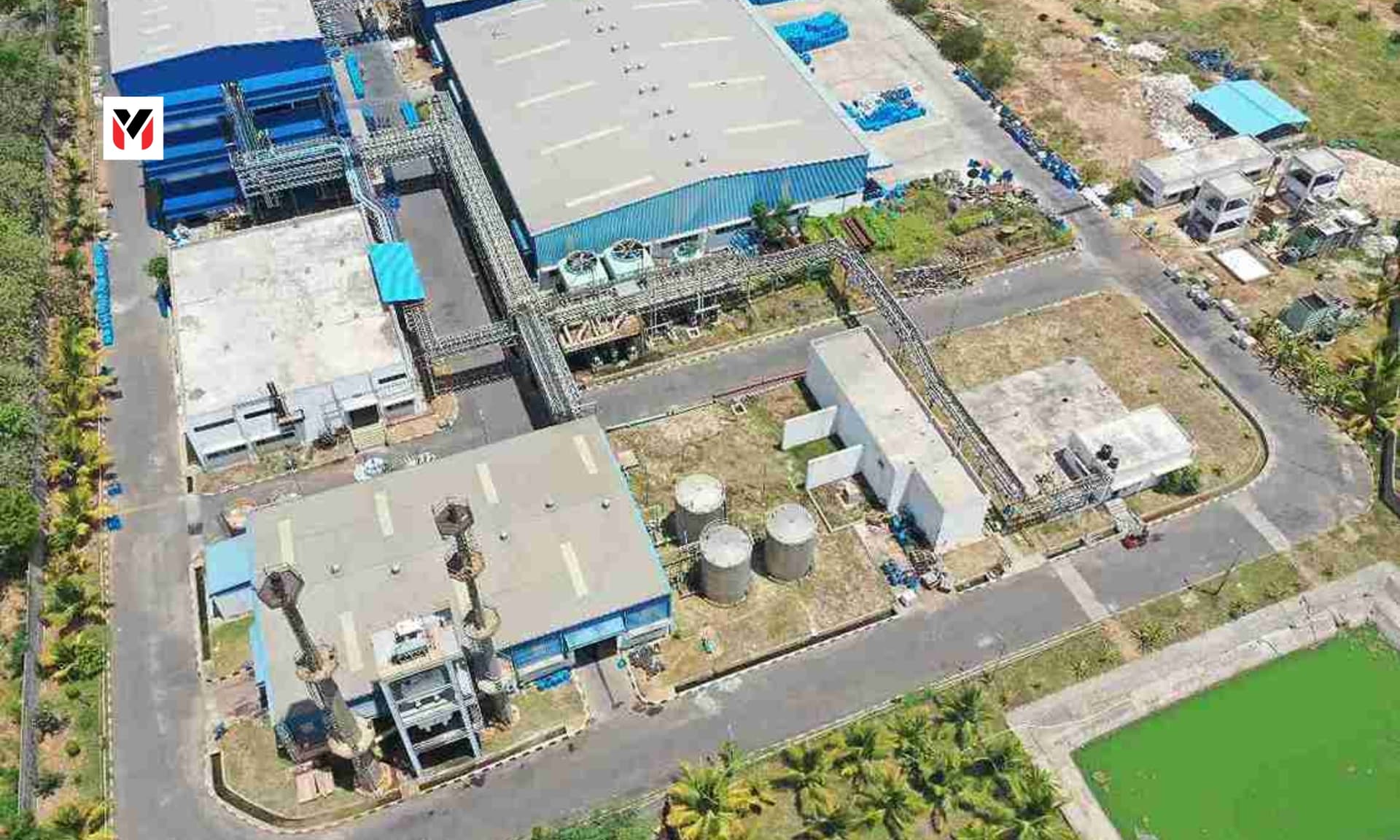
Factory roof with solar panels and battery storage unit illustration · Editorial preview.
Load Profiling & Energy Efficiency Audit
The five previous pieces describe a system with record demand, rising renewable capacity, a heavy reliance on coal, thin coal stocks, large storage plans and contracts that are not yet signed. None of that changes your electricity bill by itself. It does change the risks you should plan for. This guide is our own framework; it is general information, and the numbers in the example are invented. Rules differ by state, so check with your distribution company and regulator.
1. Know your load: Start with your bills for the last twelve months. Note the units consumed, the maximum demand, the power factor and any penalty charges. Many businesses do not know when in the day they use most of their power. A simple daily profile, from the meter or a logger, shows how much of your load falls in daylight hours, when solar is abundant, and how much in the evening, when it is not.
2. Reduce first: The cheapest unit is the one not used. An energy audit can identify efficient motors, lighting, compressed-air leaks, cooling and power-factor correction. Savings vary by site, and we make no claim about typical percentages. Ask any auditor to show the calculation behind each recommendation.
Daytime Solar Sizing & Storage Integration
3. Match generation to your daytime load: If much of your demand is in daylight, rooftop or ground-mounted solar can match it, as the CREA data on daytime peaks suggest. Evaluate the structure of the deal: buying the system, leasing it or paying per unit under a third-party arrangement. Ask about maintenance, warranty, degradation and what happens at the end of the contract.
Invented example: A workshop uses 10,000 units a month, 70% of it in daylight. A solar system that produces 6,000 units a month would cover most of the daytime use. We do not give costs because they vary too widely, but the logic is to size generation to the load you can use directly.
4. Consider storage for the evening: Battery prices were rising in mid-2026, according to IEEFA, so get several quotes and ask about duration, warranty and the origin of cells. For many small businesses, a modest battery to cover critical loads during outages is more realistic than shifting the full evening load.
“The cheapest unit is the one you do not use.”
Outage Contingencies, Contract Review & Policy Monitoring
5. Plan for outages: If coal stocks stay tight, as CREA's data suggested at the end of September, outages are possible in some areas. We do not claim they will happen. Identify your critical loads, such as refrigeration, servers and safety systems, and arrange backup. Test the backup regularly. Keep a log of outages, which helps with complaints to the utility.
6. Look at your contract: Check your tariff category and whether you are eligible to buy power from another supplier or from a renewable developer. Rules differ across states, and agreements may involve charges that change the economics. Take legal and regulatory advice before signing a long contract.
7. Watch the pipeline of policy: The Ministry's proposal on unsigned contracts, state storage tenders and tariff orders can all change your options. Follow the state regulator's orders for your area.
Budgeting Volatility & Measurement Verification
8. Budget for volatility: Set aside a reserve for energy price changes, and avoid sizing a project on the most optimistic assumptions.
9. Measure the result: After any change, track units, demand and bills for at least a year. Compare with the baseline. If the savings are smaller than promised, ask the supplier why.
For larger companies: Companies with substantial loads can consider long-term contracts for renewable power that include firming, and may report the resulting emissions reductions. The details are technical and benefit from specialist advice.
One-Page Summary & First 90 Days Roadmap
A one-page summary: • Load profile known. • Efficiency done first. • Daytime solar sized to daytime load. • Storage quotes compared. • Critical loads protected. • Contract and rules checked. • Policy followed. • Results measured.
What this guide cannot do: It cannot predict your local grid's reliability or your tariff. It is a starting point for questions to put to specialists.
A first-month action list: In the first month, collect twelve bills, record when your machines run, and ask your distribution company for outage records for your feeder. In the second month, commission an audit and request at least three quotes for any generation or storage. In the third, decide on the changes that pay back soonest and that protect critical loads. Written quotes, clear assumptions and a baseline make later comparison possible. Nothing in this list requires a large budget, and each step reduces the chance of an expensive mistake.
Status flag: Our own framework drawing on the other five pieces; all worked numbers are invented. Not engineering, legal or financial advice. Regulations and tariffs vary by state.
- Our own framework, built on the data in EN1 to EN5 and their sources (MNRE via Enerdata and Energetica India; CREA; IEEFA).
- Readers should consult their state regulator and distribution company for tariffs and rules.
- Our analysis, framework and checklist are original to MediaVault Global Magazine. The example numbers are invented.
The Editorial Desk
Perspectives on the people, ideas and businesses shaping what comes next. The articles in this preview are illustrative samples, not reported journalism.
More from the Editorial Desk