The Sriperumbudur-Oragadam Belt: How Chennai's Outskirts Became India's Electronics and Auto Twin Engine
The SIPCOT corridor near Chennai hosts both India's electronics manufacturing boom and a deep automotive cluster side by side. Here's how Tamil Nadu built a twin-engine industrial economy.
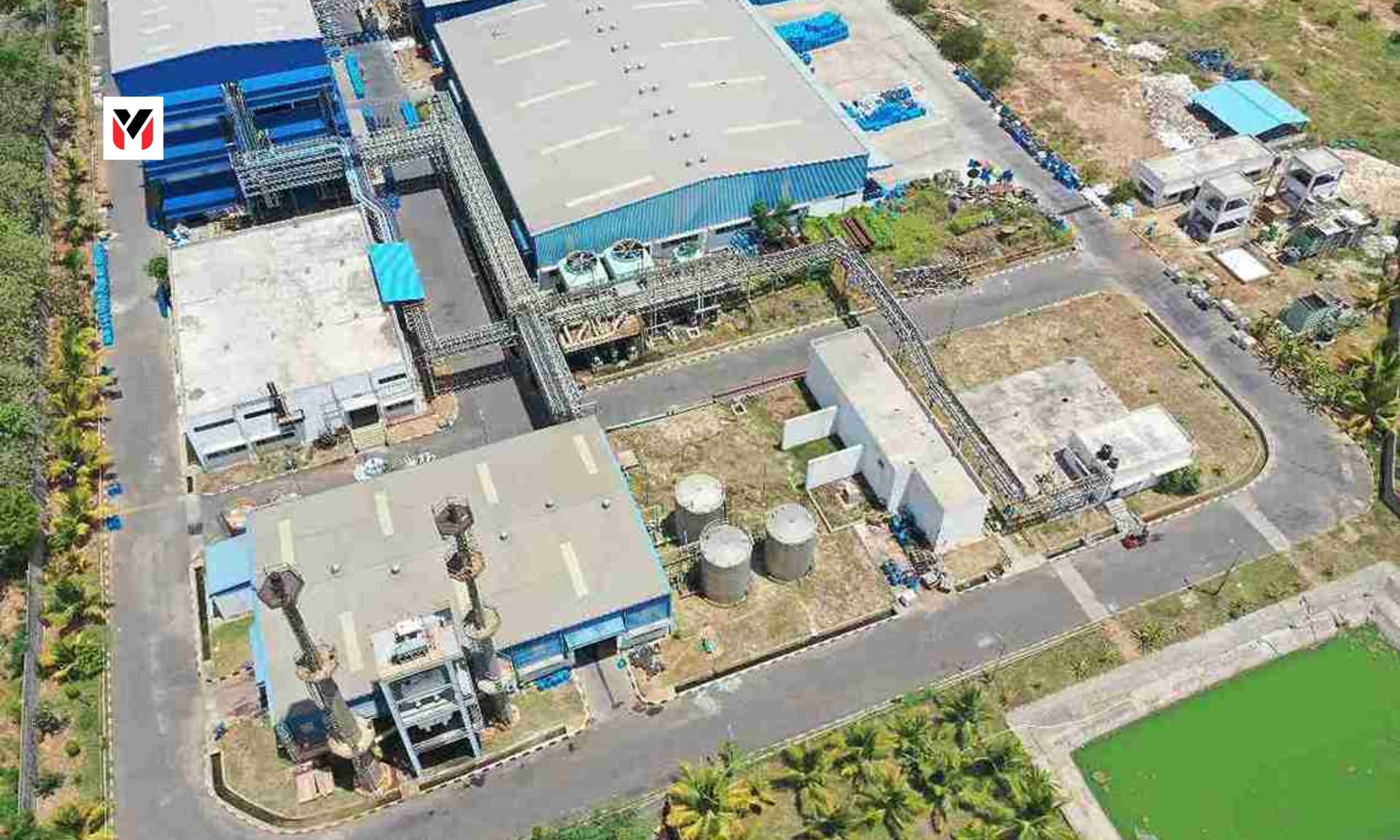
Aerial view of a mixed industrial zone near Chennai with factory rooftops, logistics roads, and green landscaping · Editorial preview.
The Logic of the Twin Engine
Most industrial clusters specialize. They pick a sector, build depth in it over years, and become known for that one thing, the way Pune became known for automotive or Gujarat is now betting on semiconductors. The Sriperumbudur-Oragadam corridor outside Chennai did something less common and, arguably, harder: it built genuine depth in two very different manufacturing categories at the same time, electronics and automotive, running side by side in overlapping geography, developed by the same state industrial body.
The State Industries Promotion Corporation of Tamil Nadu, SIPCOT, has been developing industrial parks across the state since the 1970s, but the Sriperumbudur-Oragadam stretch along the Chennai-Bengaluru highway corridor has become its most consequential cluster by a wide margin. On the electronics side, the corridor has drawn major contract manufacturing and consumer electronics investment, part of a broader national push to build mobile phone and electronics assembly capacity inside India rather than relying entirely on imports. On the automotive side, the same stretch of road hosts a dense concentration of passenger vehicle and component manufacturing that rivals any other cluster in the country, built up over more than two decades of sustained investment from global and domestic automakers alike.
Shared Inputs and Deep Port Access
What makes this dual-sector depth genuinely interesting from an enterprise strategy perspective is the infrastructure logic underneath it. Electronics and automotive manufacturing have different operational requirements in many respects, but they share a non-negotiable dependency on the same underlying inputs: reliable power, deep port connectivity for both inbound components and outbound finished goods, and a skilled labor market large enough to serve more than one industry without the two competing destructively for the same workers. Chennai's port access, combined with SIPCOT's sustained industrial land development along this specific corridor, created exactly that kind of shared infrastructure base, and once it existed, it became genuinely efficient for both sectors to draw from the same pool rather than each building isolated, single-purpose industrial zones elsewhere in the state.
“Sector diversity within a single industrial corridor is not a dilution of focus. Done well, it is a hedge against the single-sector risk that a more specialized cluster inevitably carries.”
Hedging Cycle Risk at Corridor Scale
The strategic lesson here, for enterprise leaders evaluating where to locate manufacturing investment, is that sector diversity within a single industrial corridor is not a dilution of focus; done well, it is a hedge against the single-sector risk that corridors like Pune's auto-heavy belt inevitably carry. When global automotive demand softens, a corridor built entirely around automotive manufacturing feels that softness across its entire local economy, its component suppliers, its logistics providers, its labor market. A corridor with genuine depth in two distinct sectors absorbs that kind of downturn differently, because the electronics side of the local economy isn't necessarily moving in the same cycle as the automotive side. Tamil Nadu didn't plan this diversification as a risk-management strategy from the outset, but it has become one of the corridor's quiet structural advantages as global manufacturing demand has grown less predictable in recent years.
The Talent Pipeline Bottleneck
There's a labor market dimension worth examining honestly as well. Running two manufacturing sectors at real depth in the same geography means competing internally for the same skilled technical workforce, and Tamil Nadu's industrial training infrastructure, including its network of polytechnics and industrial training institutes, has had to expand and adapt to supply both sectors simultaneously rather than specializing narrowly the way a single-sector cluster can. That's placed real pressure on technical education capacity in the region, and it's a pressure point every enterprise leader evaluating this corridor for a new facility should ask about directly rather than assuming the labor supply that served the last decade of growth will automatically scale to serve the next one.
Diversification as Geography
What the Sriperumbudur-Oragadam story ultimately offers the rest of India's industrial map is a working example of diversification done at the corridor level rather than the company level. Most manufacturing strategy conversations about diversification happen inside a single company, across its own product lines or its own supplier base. Tamil Nadu's corridor shows what it looks like when an entire industrial geography diversifies instead, two sectors, one shared infrastructure base, and a resilience that neither sector could have built entirely on its own.
The Editorial Desk
Perspectives on the people, ideas and businesses shaping what comes next. The articles in this preview are illustrative samples, not reported journalism.
More from the Editorial Desk