How Pune Quietly Became India's Factory Floor for the World
From Chakan to Talegaon, Pune's MIDC corridor has become the backbone of India's auto and auto-component manufacturing. Here's how a Maharashtra industrial estate became a global supply chain decision.

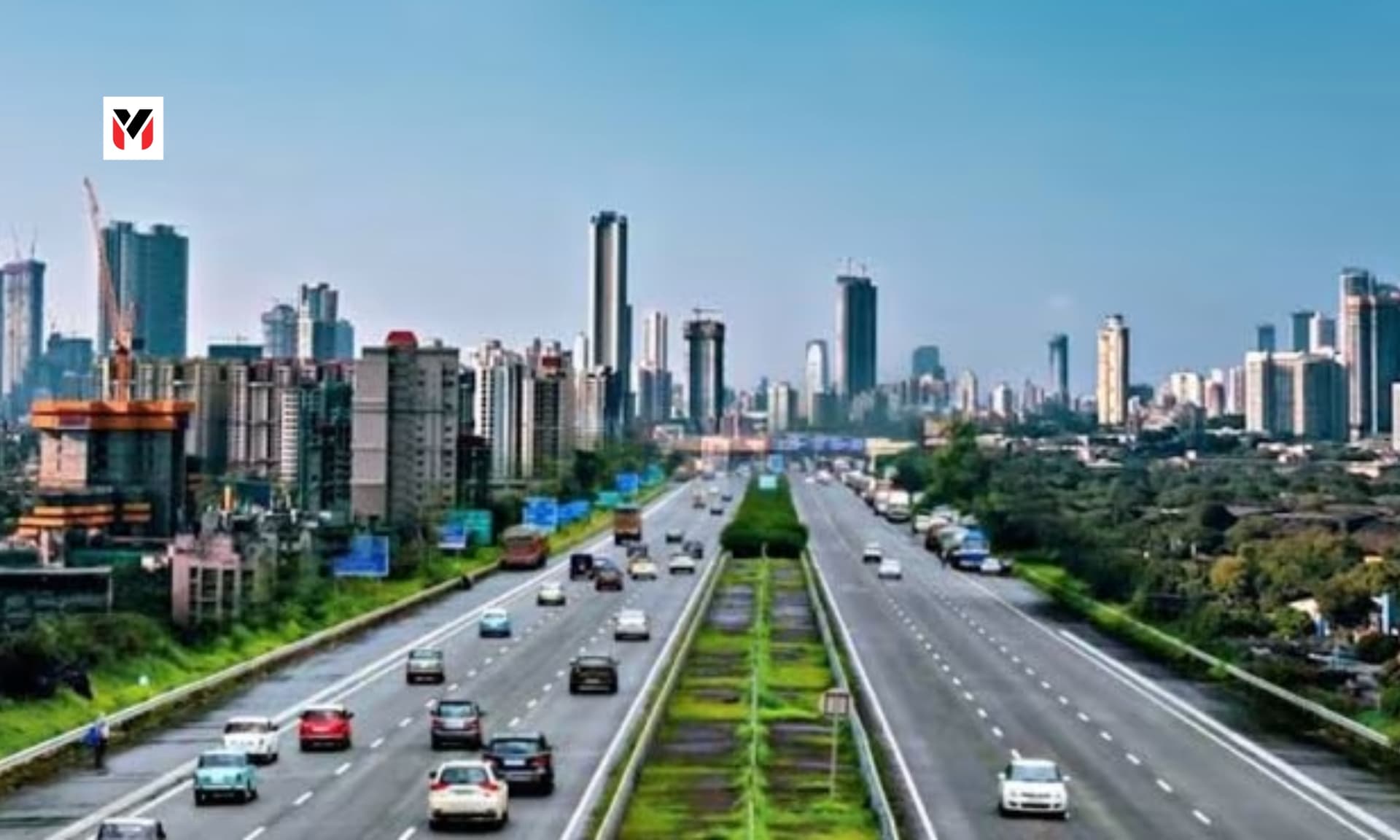
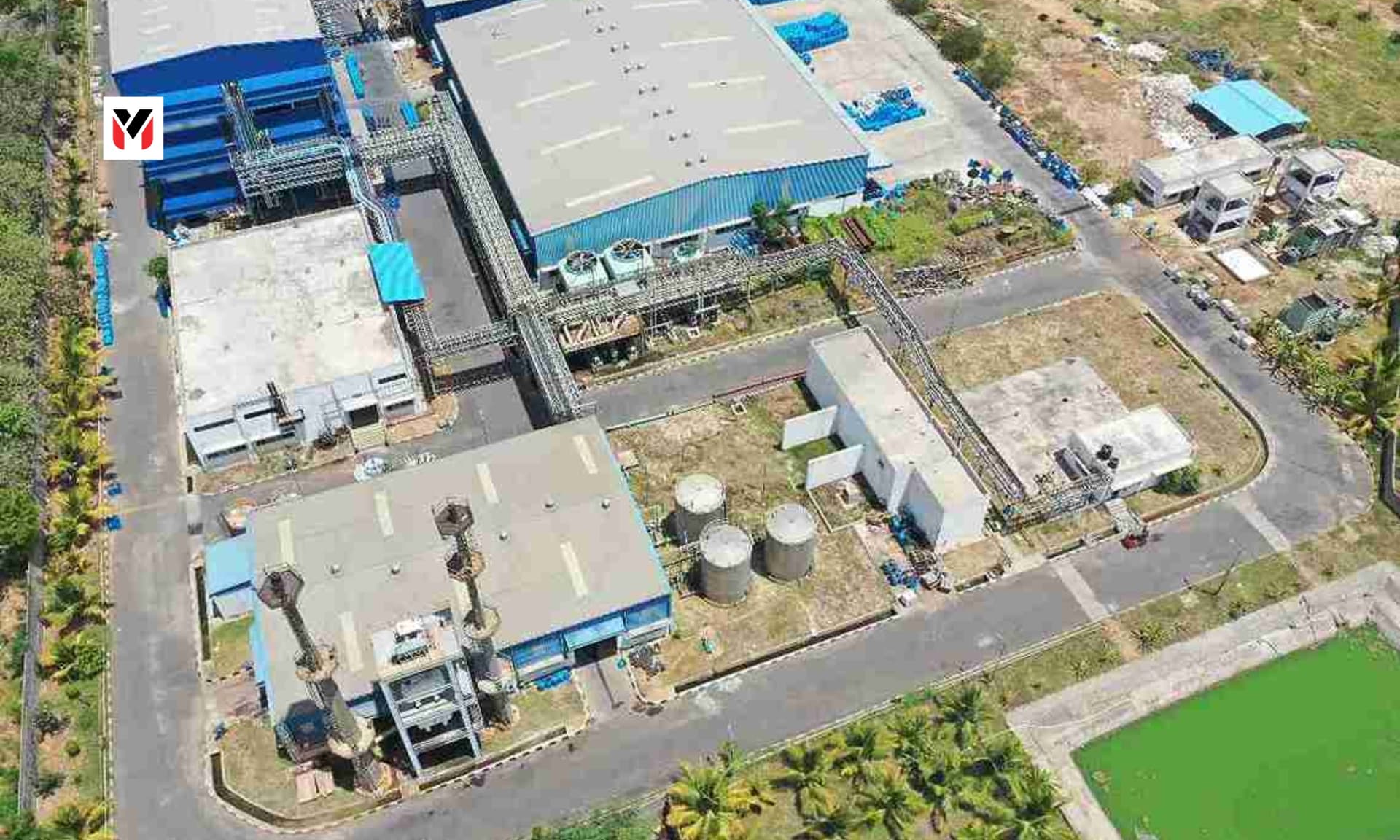
Industrial manufacturing zone road at golden hour with factory perimeter walls and distant chimneys in Maharashtra · Editorial preview.
The Industrial Forty-Five Minutes
Drive forty-five minutes north of Pune city, past the point where the traffic thins and the land turns industrial, and you reach Chakan. There's nothing cinematic about it at first glance: perimeter walls, logistics yards, the low hum of plants running shift after shift. But inside those walls sits one of the more consequential manufacturing stories in the country, built not by a single company's ambition but by the patient, decades-long work of a state industrial development corporation doing something unglamorous extremely well.
The Maharashtra Industrial Development Corporation, MIDC, has been allotting and developing industrial land across the state since the 1960s, and the Chakan-Talegaon-Ranjangaon belt around Pune is arguably its most successful single bet. What began as a push to attract automobile and engineering manufacturing has compounded, over twenty-plus years, into a genuine cluster effect: the kind of self-reinforcing ecosystem that economists talk about in theory and that global automakers actually have to reckon with in practice when they decide where their next plant goes. Bajaj Auto, Mahindra & Mahindra, Tata Motors, Volkswagen, Mercedes-Benz, and Force Motors all operate manufacturing or assembly facilities in or around this corridor, and that list alone understates the story, because the real depth sits one tier down, in the hundreds of component manufacturers who exist specifically because the assemblers are here.
Why Clusters Beat Subsidies
That's the part of this story enterprise leaders should actually be studying, because it's a strategy lesson disguised as a real estate footnote. A cluster like Chakan doesn't just reduce logistics cost for the companies inside it, though it does that too. It creates a labor market with genuinely deep manufacturing skill, a supplier base that can respond to a design change in days rather than weeks, and a kind of institutional muscle memory, among local contractors, logistics providers, and skilled labor, that a greenfield site anywhere else in the country simply cannot replicate on day one. When a global automaker is deciding between an unproven location with lower headline costs and a proven cluster with higher costs but genuine supply chain depth, the cluster very often wins, and Chakan's twenty-year head start is precisely why it keeps winning that comparison against newer industrial zones chasing the same investment.
“A cluster like Chakan doesn't just reduce logistics cost. It creates a labor market with genuine manufacturing depth and a supplier base that can respond to a design change in days, not weeks, and that kind of advantage compounds in ways a subsidy never can.”
The Compounding Moat of Infrastructure
The operational lesson for enterprise leaders outside manufacturing is broader than automotive. It's about how industrial policy, done consistently over a long enough horizon, compounds into something closer to a moat than a subsidy. MIDC didn't create Chakan's advantage through a single incentive package. It created it through sustained land development, utility infrastructure, and connectivity investment across multiple governments and multiple decades, the unglamorous, unsexy groundwork that rarely makes headlines in the year it happens but that shows up, twenty years later, as a reason the world's largest automakers keep choosing the same forty-five-minute stretch of road outside Pune.
The Harder-Edged Realities of Maturity
There's a harder-edged story underneath the success, too, one that any CXO actually evaluating India for manufacturing investment needs to hear honestly rather than in the marketing-brochure version. Land acquisition around Pune's industrial belt has gotten more contested and more expensive as the corridor has matured, pricing out some of the smaller component makers who made the cluster's early depth possible in the first place. Water availability during peak summer months remains a genuine operational constraint for water-intensive processes, a fact some global investors underweight until they're mid-build. And labor cost, long one of Pune's advantages, has been rising steadily as skilled manufacturing talent becomes more mobile and more aware of its own market value, a dynamic every mature industrial cluster eventually runs into as it succeeds.
The Blueprint for India's Industrial Map
What makes Pune's story worth leading with, in a series about India's industrial map, is that it's the clearest existing proof of what the other corridors covered in this series are still trying to become: a self-sustaining ecosystem that no longer depends primarily on government incentive to keep attracting investment, because the market itself has decided this is where the depth lives. Gujarat's Sanand-Dholera corridor, Tamil Nadu's Sriperumbudur-Oragadam belt, and Uttar Pradesh's Noida-Yamuna Expressway zone are all, in different ways, trying to replicate that same compounding effect in sectors ranging from semiconductors to electric vehicles. None of them has had Pune's twenty-year head start. All of them are watching the same playbook.
The Editorial Desk
Perspectives on the people, ideas and businesses shaping what comes next. The articles in this preview are illustrative samples, not reported journalism.
More from the Editorial Desk