A Safety Net Under Invoice Discounting: What the New TReDS Guarantee Means
Small suppliers who wait weeks for payment can sell their invoices on TReDS. A new guarantee is meant to make financiers more willing to buy them.

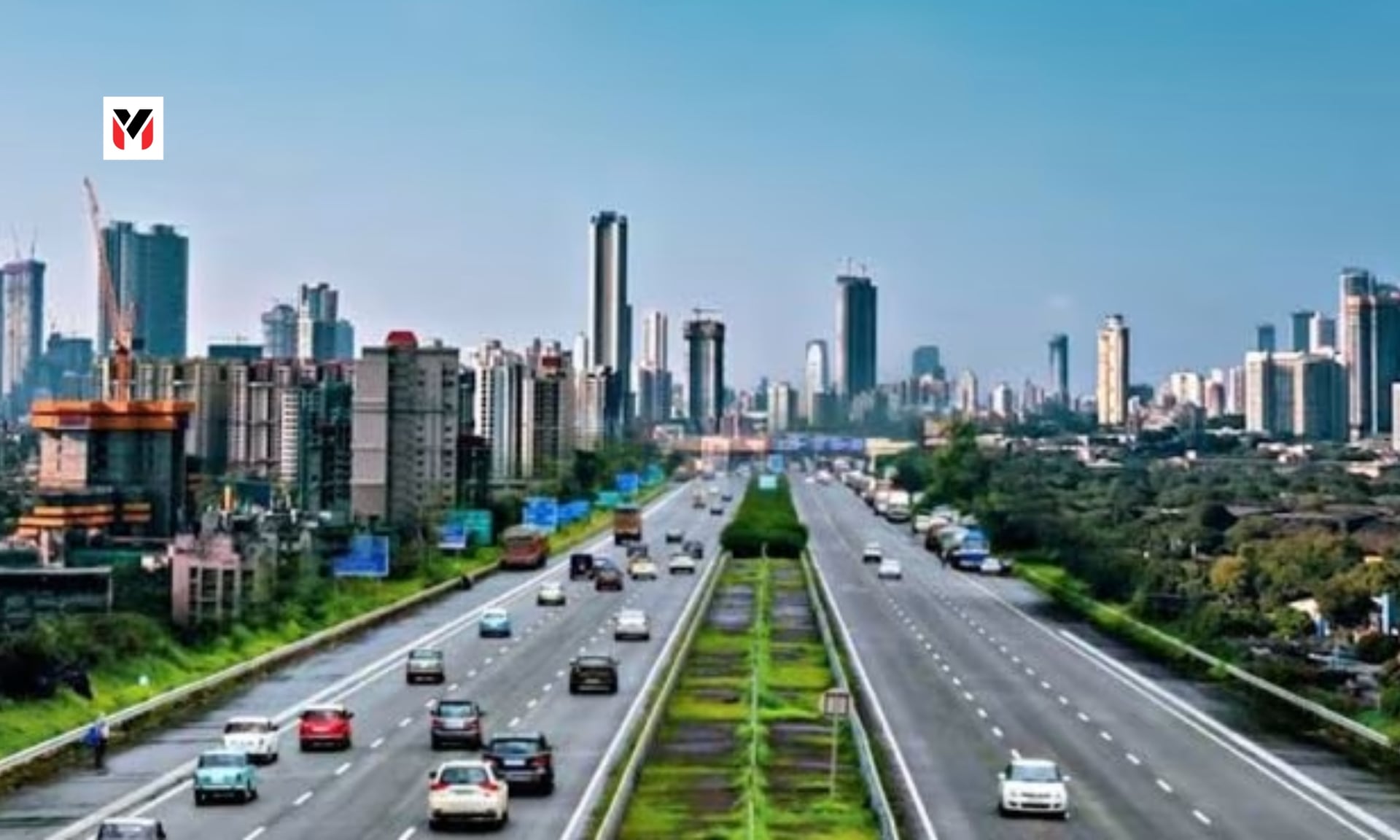
Editorial illustration: an invoice passing across a bridge with a shield beneath it, charcoal and red palette, 16:9. · Editorial preview.
The PIB Reports on TReDS Guarantee
A news-summary page dated 26 September 2026, citing the Press Information Bureau, reported that the Credit Guarantee Fund Trust for Micro and Small Enterprises, or CGTMSE, guarantee cover is now live on the Trade Receivables Discounting System, or TReDS. A second summary dated 27 September gave the same details. Neither stated a separate go-live date, and neither quoted an official directly, so readers should confirm the rules with CGTMSE.
The terms as reported
• The guarantee covers 75% of the amount in default on eligible invoices. • Maximum exposure is Rs 10 crore for a micro or small enterprise buyer and Rs 2 crore for a micro or small enterprise seller, on a revolving basis. • Both the buyer and the seller must be micro or small enterprises. • The platforms named are M1xchange, RXIL and DTX (KredX). • The CGTMSE portal is integrated with the TReDS ecosystem. Financiers can check invoice eligibility and apply for cover in real time. The guarantee fee is calculated automatically from invoice value, financier type and tenor, and debited automatically; the cover note and invoice are generated automatically. The reports did not state the fee.
“A guarantee does not create demand for an invoice; it lowers the cost of buying one.”
Background
The Union Budget 2026-27, presented on 1 February 2026, announced a credit guarantee for TReDS invoice discounting. The reports said TReDS, an RBI-regulated platform operating since 2017, saw invoice discounting rise from Rs 40,000 crore in FY 2021-22 to Rs 3.5 lakh crore in FY 2025-26. A separate summary of Budget measures, from the ICAI journal, said TReDS platforms had cumulatively financed more than Rs 5 lakh crore of invoices. The two figures measure different things, annual discounting and cumulative financing, and we have not reconciled them against primary data.
How TReDS works, in plain terms: our explanation
A small supplier sells goods to a larger buyer on credit. Instead of waiting for the buyer to pay, the supplier uploads the invoice to a TReDS platform. After the buyer accepts it, financiers bid to buy it at a discount, and the supplier receives cash quickly. On the due date, the buyer pays the financier. The supplier's cost is the discount, and the risk of the buyer not paying sits with the financier. The guarantee reduces the financier's loss if the buyer defaults, which may encourage more bids and finer rates.
Who gains and who may not
Suppliers that sell to creditworthy buyers on the platform gain most. The requirement that both parties be micro or small enterprises means that sales to large corporates or public bodies do not qualify under this cover as reported. That is a significant limit, since many small suppliers sell to large buyers. The cover appears to be aimed at trade between small firms.
What a small supplier should do: our guidance
1. Register on a platform. Compare the three named platforms on fees, financier participation and onboarding support. 2. Ask your buyers. Invoices can be discounted only if the buyer is registered and accepts them. Many buyers must be persuaded to onboard. 3. Compare the true cost. Calculate the discount as an annual percentage rate and compare it with an overdraft or cash-credit limit. 4. Check the eligibility. Confirm with the financier whether a specific invoice carries the guarantee, and whether any fee is passed to you. 5. Keep records clean. Disputes over quality or quantity can delay acceptance. Match invoices to delivery proofs.
Risks and open questions
The guarantee shifts some risk to a public trust fund, which brings the question of how losses will be monitored. We do not know the fee level, claim procedure or the share of invoices that will qualify. We also cannot say whether financiers will lower rates in practice. Early evidence should come from platform data in the next two or three quarters.
For finance managers at larger buyers
If you buy from small suppliers, joining TReDS can lower their cost of funds and strengthen your supply chain. Our piece on the 45-day payment rule explains why prompt payment also matters for your tax position.
What to watch in the first year
Track three things: whether discount rates on guaranteed invoices fall relative to others, whether the number of small buyers onboarding rises, and whether claims are settled promptly if a default occurs. Platform disclosures and CGTMSE reports are the places to look. If rates do not fall, the guarantee may be mainly a risk transfer to the public fund. Editorial analysis based on news-summary pages citing PIB (26-27 Sept 2026) and the ICAI journal summary of Union Budget 2026-27. General information, not financial advice.
Secondary source (a news-summary page citing PIB, 26-27 Sept 2026); guarantee fee not stated; verify on the CGTMSE portal.
- Superkalam current affairs summary citing PIB, "CGTMSE Guarantee Cover Goes Live on TReDS...", 26 Sept 2026
- A2Z Taxcorp, "CGTMSE Guarantee Cover Goes Live on TReDS", 27 Sept 2026
- ICAI CA Journal, "Union Budget 2026-27 Highlights: Impact on MSMEs"
The Editorial Desk
Perspectives on the people, ideas and businesses shaping what comes next. The articles in this preview are illustrative samples, not reported journalism.
More from the Editorial Desk