Warehouses Outrun Demand: What Rising Vacancy Means for Indian Logistics
Completions are growing faster than leasing. That is good news for occupiers shopping for space, and a test for developers.

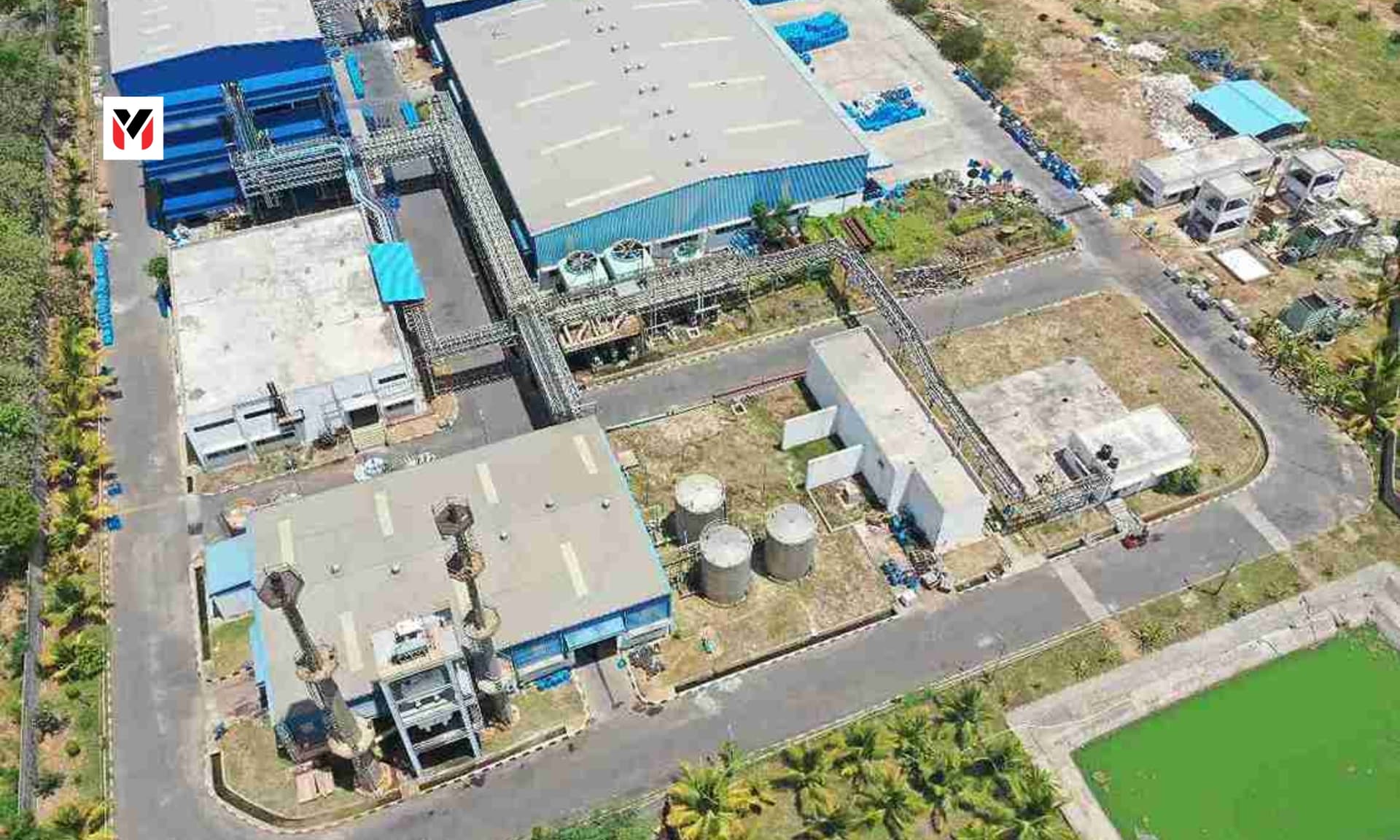
Grade A warehouse facility with forklift illustration · Editorial preview.
First-Half Supply & The Arithmetic of Absorption
Colliers India reported on 16 July 2026, in a release carried by the Tribune, that Grade A industrial and warehousing supply in India is expected to reach 45 to 50 million square feet by the end of 2026. Grade A refers to modern, institutional-quality facilities and not to the large number of older, smaller godowns that make up much of India's warehousing. The figures are a consultancy's estimates.
What happened in the first half: According to the release, new completions in H1 2026 were about 25 million square feet, up 27% on the year and exceeding demand. Leasing across the top eight cities rose 12% on the year to nearly 22 million square feet. Second-quarter leasing was about 11 million square feet, down 1% on the previous quarter, which Colliers attributed to supply-chain disruption from the conflict in West Asia. Vacancy rose to 17.2% as supply outpaced absorption.
A simple check: Completions of about 25 million square feet against leasing of about 22 million means about 3 million square feet more was built than was taken in the half-year. That is our arithmetic and ignores renewals, pre-commitments and older stock, so it is indicative only. It is consistent with the rise in vacancy that Colliers reported.
Who Is Taking the Space & Why Vacancy Matters
Who is taking the space: Delhi NCR and Chennai together accounted for over 45% of H1 leasing. Delhi NCR and Mumbai together accounted for over 40% of new completions. By occupier, third-party logistics providers were the largest group at 30% of H1 leasing, engineering firms took 21% and e-commerce 16%. Electronics leasing nearly doubled on the year. The demand drivers named were infrastructure-led development, growing domestic manufacturing and easing global headwinds.
Why vacancy matters: A vacancy of 17.2% means that, for many occupiers, space is available. Occupiers can negotiate on rent, lease length, rent-free periods and fit-out support. Developers face the opposite: leasing-up risk, and pressure on yields. Rents were not reported in the article, so we cannot say whether they have fallen.
Where the supply is not the problem: Vacancy is an average. Prime locations near ports, major highways and consumption centres may remain tight, while peripheral sites far from demand sit empty. The release gave no figures by micro-market, so we cannot say where the vacancy lies.
“Vacancy is an average. The prime location near the port may still be tight.”
How to Read a Warehousing Report: Our Guide
How to read a warehousing report: our guide: 1. Distinguish Grade A from the market. Most warehousing in India is not Grade A, so the data cover a segment. 2. Compare supply and absorption. The difference drives vacancy. 3. Look at the occupier mix. A market dominated by logistics providers depends on their expansion. 4. Check the geography. Two cities dominate demand, and different pairs dominate supply. 5. Be careful with attribution. The report attributes a slowdown to a geopolitical event; we have no independent confirmation.
Implications for Manufacturers, 3PLs & Investors
What it means for manufacturers and retailers: A business looking for space has more options than a year ago. Ask for several quotes, compare total cost including utilities and local taxes, and consider shorter leases if the business is changing. Location relative to customers and suppliers usually matters more than a rent difference of a few rupees per square foot.
What it means for third-party logistics firms: As the largest occupier group, 3PLs are both beneficiaries and risks. Their expansion drives demand, but their contracts depend on client volumes.
What it means for investors: This is general information, not investment advice. A market in which supply outruns absorption for several quarters can see lower rents and valuations. One half-year is too short to conclude.
What we do not know: We do not know rents, vacancy by city, or the share of space pre-leased. We have used one consultancy's release.
Developer Scenarios & The West Asia Attribution
A scenario for a developer (ours, not a forecast): Imagine an invented developer with a large park in a city where completions are rising. If leasing keeps pace, vacancy stays stable and rents hold. If leasing slows again, as it did in the second quarter, the developer may need to offer concessions to fill space. A prudent developer tests its plans against both outcomes, keeps financing flexible and focuses on tenants with long commitments. A prudent tenant does the reverse: it uses the supply to negotiate, but avoids signing a lease for more space than it can use.
Why the West Asia attribution deserves a caution: Colliers linked the second-quarter slowdown to disruption from the West Asia conflict. Supply-chain disruption can delay inventory build-up and lease decisions, which is plausible. But a single quarter's change of 1% is small, and other factors such as seasonal patterns, pricing and tenants' own timing can also explain it. Readers should treat the attribution as the consultancy's view.
Status flag: Colliers India data as reported on 16 July 2026; H1 2026 figures. Rents were not reported in the source. Other consultancies' figures differ and are not used here.
- The Tribune (Colliers India release), 'India's Grade A industrial, warehousing supply to reach 45-50 mn sq ft by end-2026', 16 July 2026.
- Our analysis, arithmetic and guide are original to MediaVault Global Magazine.
The Editorial Desk
Perspectives on the people, ideas and businesses shaping what comes next. The articles in this preview are illustrative samples, not reported journalism.
More from the Editorial Desk