Growing Without Owning: The Anatomy of an Asset-Light Hotel Company
IHCL says it has had seventeen consecutive best-ever quarters. This case looks at the model behind the claim.
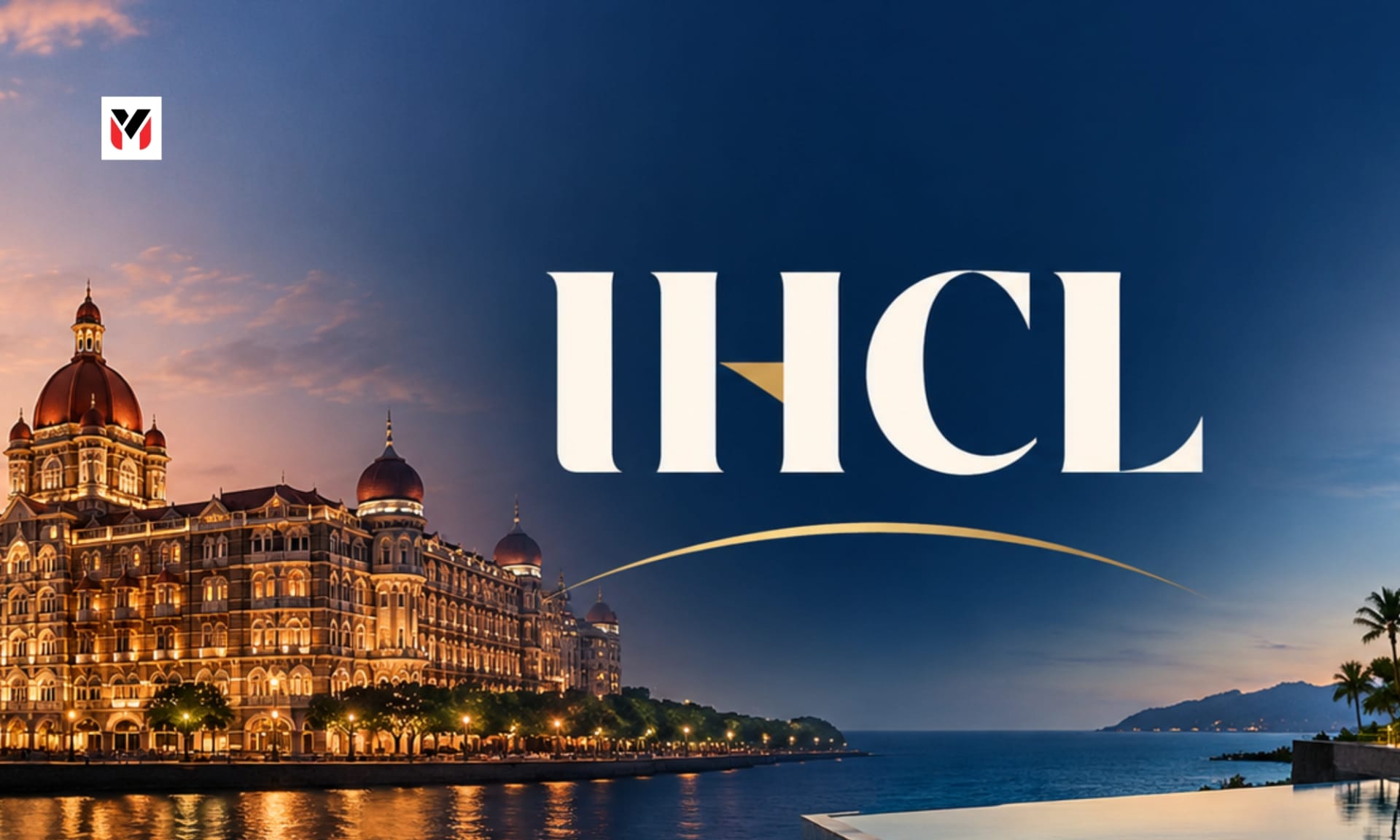
IHCL asset light hospitality growth case study illustration · Editorial preview.
The Situation & Financial Disclosures
Indian Hotels Company Limited (IHCL) owns, manages and licenses hotels under brands including Taj, Vivanta, Ginger, SeleQtions, Gateway and Tree of Life. On 21 July 2026 it reported results for the quarter to 30 June. The numbers are the company's own, and its statements are labelled as its claims.
The numbers: • Consolidated revenue Rs 2,419 crore, up 15%. EBITDA Rs 753 crore, a 31.1% margin, up 80 basis points. Profit after tax Rs 358 crore, up 21%. Gross cash Rs 4,439 crore. • Standalone revenue Rs 1,298 crore, EBITDA margin 41.8%, up 380 basis points, profit after tax Rs 337 crore. • Domestic like-for-like RevPAR up 14%. Growth businesses revenue up 22%. Management fee income up 26%. • 20 signings and 11 openings in the quarter. Portfolio 645 hotels, pipeline 263. Fifteen hotels migrated from the ANK Hotels and Pride Hospitality portfolios. • Chief executive Puneet Chhatwal: "Q1 FY2027 marks the seventeenth consecutive best ever quarter". He added: "we maintain our guidance of double-digit revenue growth for the fiscal year." Chief financial officer Ankur Dalwani credited renovated assets in Goa, Delhi and Bengaluru for part of the standalone margin.
Our Arithmetic & Asset-Light Economics
Our arithmetic: EBITDA of Rs 753 crore on Rs 2,419 crore is 31.1%, matching. Standalone EBITDA at 41.8% of Rs 1,298 crore is about Rs 543 crore. Consolidated profit of Rs 358 crore compared with standalone Rs 337 crore indicates that the rest of the group contributes about Rs 21 crore net, by simple subtraction, though minority interests and eliminations may affect that. The pipeline of 263 hotels is about 41% of the existing 645, which suggests the company could grow its hotel count substantially if the pipeline converts. Management fees growing at 26% against revenue growth of 15% points to a mix shifting towards fee-based income.
How the model works: A hotel company can earn from three things: operating hotels it owns, managing hotels owned by others for a fee, and licensing its brand. The more it relies on the latter two, the less capital it needs per hotel, and the faster it can add hotels. The cost is that it depends on owners to build and maintain properties to its standards. A strong brand attracts owners, who pay fees for demand generation, distribution and operating standards.
The company's standalone margin of 41.8% reflects a portfolio of owned hotels in strong markets, with renovated assets contributing, according to the CFO. Renovation here is an investment in the owned estate that lifts room rates and, in turn, profit.
“Capital light moves the risk from the balance sheet to the brand.”
Evidence of Performance & Open Questions
What worked, on the evidence: Revenue, margin and profit rose together. Domestic like-for-like RevPAR rose 14%, which means the existing hotels were earning more per room, not only that new hotels were added. The pipeline and signings suggest owners want the brand.
What is unresolved: 1. Seasonality and base effects. Our hospitality piece noted that May 2025 was disrupted, which makes year-on-year comparisons easier. 2. Quality across the estate. Rapid growth through partners carries brand risk if standards slip. 3. A discrepancy. One outlet reported operating revenue of Rs 2,340 crore against the release's Rs 2,419 crore. The release is the primary source. 4. Dependence on India. Our sources do not give the international share.
Lessons for Hospitality Operators
Lessons: • Capital light is not risk free. The risk moves from the balance sheet to the brand. • Renovation is a growth lever. Updating owned assets can raise margin without new hotels. • A record is a claim about history. The useful figures are growth and margin.
Discussion Questions & Worked Exercise
Discussion questions: 1. What would convince you that growth through partners is not diluting quality? 2. Why might fee income grow faster than total revenue? 3. How would you design a performance test in a management contract?
At your scale: an exercise (invented numbers): An invented guesthouse group, Hillcrest Stays, owns 4 guesthouses earning Rs 1 crore of profit each, a total of Rs 4 crore. An owner of a fifth guesthouse offers to put it under Hillcrest's management for a fee of 8% of revenue. The fifth earns Rs 3 crore of revenue, so Hillcrest receives Rs 24 lakh of fee with minimal capital. If it had bought the fifth guesthouse for Rs 6 crore, it might earn Rs 1 crore profit, a return of 16.7% before financing. The fee route yields Rs 24 lakh with almost no capital but less control and less upside. All figures are invented. The exercise shows the trade-off between return and capital.
What we do not know: We do not know the split of fee and owned-hotel income, the international contribution, or the quality metrics of the estate.
Status flag: Based on IHCL's own press release of 21 July 2026; company statements are labelled. One outlet's operating-revenue figure differs from the release. Not investment advice.
- IHCL, 'IHCL announces financial results for Q1 FY 2027', 21 July 2026 (company press release).
- Sahi and Kotak Neo, coverage of IHCL's Q1 FY27 results.
- MediaVault Global Magazine, MVG-37 (Hospitality), HS1.
- Our analysis, arithmetic and exercise are original to MediaVault Global Magazine. Hillcrest Stays and its figures are invented.
The Editorial Desk
Perspectives on the people, ideas and businesses shaping what comes next. The articles in this preview are illustrative samples, not reported journalism.
More from the Editorial Desk