India's Carbon Market Moves From Plan to Practice: What Industry Needs to Know
Binding emission-intensity targets now apply to hundreds of industrial units. The first tradeable certificates were expected in the autumn of 2026.
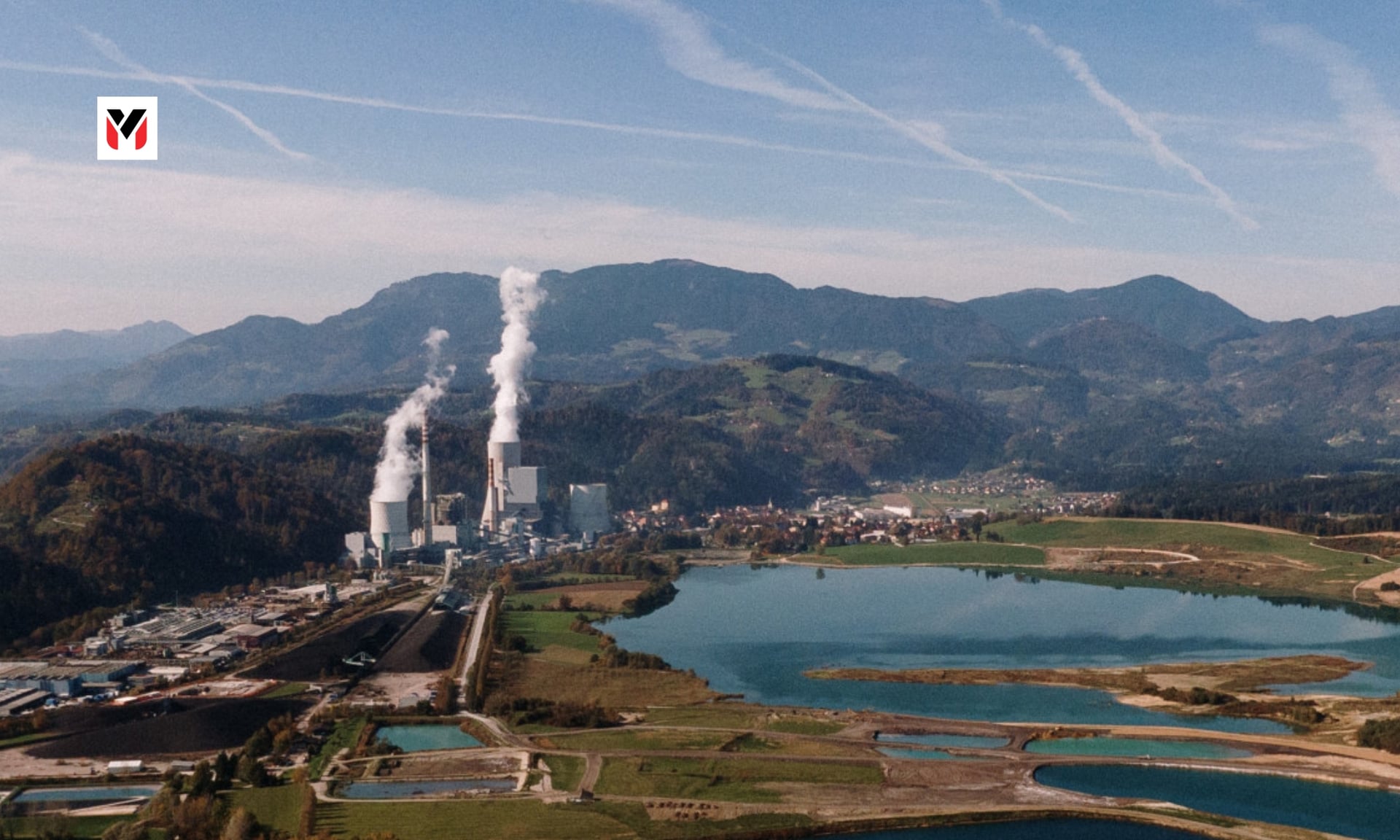
A factory chimney with a scale balancing a certificate and a cloud · Editorial · Analysis preview.
Headline and Overview
India's Carbon Credit Trading Scheme (CCTS) has moved from design to compliance. The International Carbon Action Partnership (ICAP) reported on 30 March 2026 that seven of the scheme's nine planned sectors now have compliance obligations. Aluminium, cement, chlor-alkali and pulp and paper were notified in October 2025; petroleum refining, petrochemicals and textiles followed in January 2026. Iron and steel and fertiliser were still pending. ICAP said covered entities have legally binding greenhouse-gas intensity targets for 2025-26 and 2026-27, set at sub-sector level against a 2023-24 baseline, and that about 490 entities fall under them. The targets themselves were not given in the article. The Ministry of Environment, Forest and Climate Change issued the notifications.
How it works: Baseline-and-credit mechanism
Under the scheme as ICAP described it, an entity that beats its intensity target earns tradeable carbon credit certificates, which can be traded on India's power exchanges; one that falls short must buy and surrender certificates to cover the gap. That is a "baseline-and-credit" model: the rule is about emissions per unit of output, not a fixed cap on total emissions. ICAP reported that the Power Minister launched the Indian Carbon Market Portal on 21 March 2026.
“Every year this cycle will get repeated.”
The timeline, and a conflict in the sources
Outlook Business, citing Business Standard on 25 February 2026, quoted Saurabh Diddi, director of the Bureau of Energy Efficiency, which runs the scheme. He said the first cycle of FY26 targets would end on 31 March, followed by four months for verification, and that "practically we are going to issue credits in October (2026)." The same article said trading was expected from November 2026 to January 2027. ICAP's earlier line was that trading was expected around mid-2026. These expectations differ, and we cannot tell which will hold. Treat any date as provisional and check current notices.
Outlook Business also described the mandatory component as covering 800 units in nine sectors, while noting that targets for about 490 units in seven sectors had been issued. The article did not reconcile the two figures. Our reading is that 800 is the eventual scope across nine sectors and 490 is the number already notified, but that is our inference, not a finding. The scheme also has a voluntary offset component, issued and traded separately, and compliance targets set for three years.
What this means for businesses: our analysis
1. Know whether you are covered. Check whether your sector and unit are on the notified lists. If you are a supplier to a covered unit, expect questions about your own emissions. 2. Measure before you are asked. Baseline emissions data is the foundation. Firms without it will spend heavily in a rush. 3. Efficiency is the cheapest credit. For many plants, the first gains come from better furnaces, motors, waste-heat use and fuel switching, which also cut energy bills. 4. Price is uncertain. Certificate prices will depend on supply and demand, and nothing in our sources gives a price. Do not plan on a number. 5. Penalties are unspecified. The ICAP article did not mention penalties, so check the rules.
For smaller firms and what to watch
Most MSMEs are not covered directly. But large buyers in covered sectors may ask for emissions data and efficiency plans from their suppliers, and textiles is a sector with many small units. A modest, documented effort to measure energy use and reduce waste is a good position to be in when the question arrives.
The things that will show whether the market works are the first issuance of certificates, the first trades on exchanges and the notification of steel and fertiliser. Each is a test of whether the design delivers real reductions rather than paperwork.
Questions for a plant manager
Which of our processes use the most fuel or power per unit of output, and what would a ten per cent saving be worth? Who in the company can explain our baseline year to a verifier? Do our records for 2023-24 exist in a form someone outside the company can follow? If the answer to the last is no, rebuilding the baseline should be the first task, because every later calculation depends on it. Keep a short note of the method you used, so that the same approach can be repeated each year.
Editorial analysis. Facts from ICAP (30 March 2026) and Outlook Business (25 February 2026); inferences are labelled.
- ICAP, 'Compliance obligations under India's Carbon Credit Trading Scheme enter force in seven sectors', 30 March 2026
- Outlook Business, 'India to Launch First Carbon Trading Programme by October 2026', 25 Feb 2026 (citing Business Standard)
The Editorial Desk
Perspectives on the people, ideas and businesses shaping what comes next. The articles in this preview are illustrative samples, not reported journalism.
More from the Editorial Desk