135 Million Tonnes in a Month: Reading Indian Railways' September Freight Numbers
Rail freight grew faster in September than across the first half of the year. The mix of commodities says more than the total.

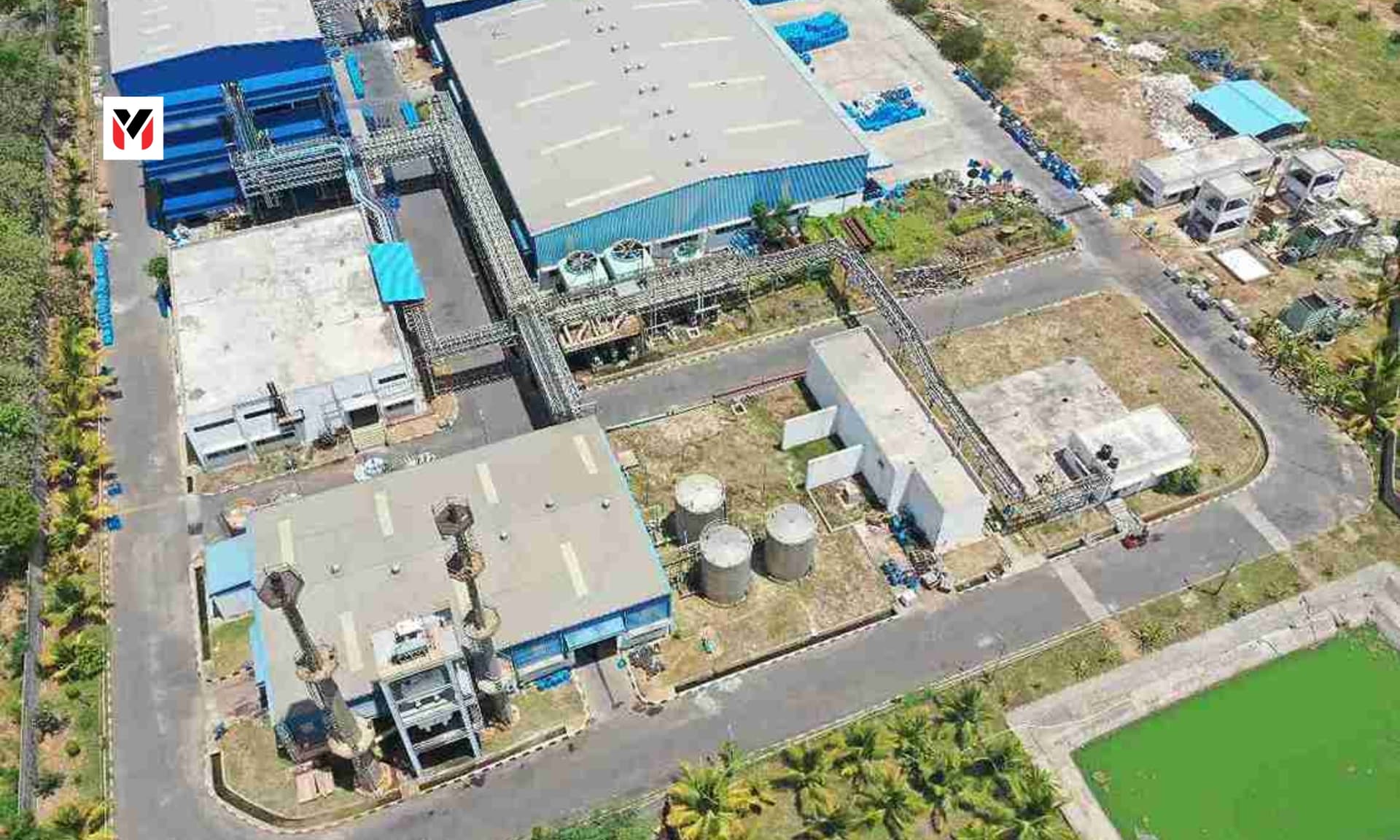
Indian Railways freight train carrying mixed wagons illustration · Editorial preview.
September Freight Volume & The Commodity Picture
Indian Railways reported freight loading of 135.35 million tonnes in September 2026, up 6.14% on September 2025, according to a report published by Indian Infrastructure on 14 October 2026. Freight revenue for the month was about Rs 149.12 billion, up 9.3%. These are the railway's own operating statistics, and we have not audited them.
The commodity picture: Growth was uneven. Compared with September 2025, foodgrain loading rose 25%, clinker (the main intermediate for cement) 20%, domestic containers 10%, coal 9%, the balance of other goods 8.2%, mineral oil 6%, finished steel 5.5% and iron ore 5.2%. Coal rakes supplied averaged 443 a day, up 11.6%. Cement itself is not mentioned in the report we reviewed, so we say nothing about it.
The Half-Year Picture & The Coal Supply Dynamic
For April to September 2026, the cumulative loading figure is given as "Rs 833.7 mt", up 4.1%. The "Rs" is plainly an error because the figure is in million tonnes, and we read it as 833.7 million tonnes, though the correction should be checked against the railway's own release. Cumulative freight revenue was about Rs 882.52 billion, up 3.7%. September's 6.14% rise is therefore faster than the half-year's 4.1%, which implies the first five months were slower. That is our arithmetic inference: if the half-year grew 4.1% and September grew 6.14%, the other five months must have grown by less than 4.1% on average.
Why coal matters, and why it ties to other pieces in this package: Coal is the railway's largest commodity. Our Energy coverage reported that coal stocks at power plants were falling to 21 million tonnes by 30 September, with dispatch to plants down from 74 million tonnes in May to 66 million tonnes in August, according to the Centre for Research on Energy and Clean Air. Rail loading of coal up 9% in September, and rakes supplied up 11.6%, are consistent with an effort to restore supply, though our sources do not say that was the cause. We note the link as a question, not a conclusion. The two sources measure different things: CREA's dispatch figure covers coal sent to power plants from all sources, and the railway's covers coal loaded on its network.
“A strong month can sit on a weak half-year. The cumulative number is the check.”
Foodgrain Expansion & Container Competition
Foodgrain: A 25% rise in foodgrain loading is the largest in the list. The report does not explain it. Possible explanations include timing of procurement and distribution, but we cannot say which applies.
Containers: Domestic containers rose 10%. Containerised rail freight is the segment where the railway competes most directly with trucks for manufactured goods, and growth there is the measure of whether rail can win higher-value cargo. The report does not give container volumes, so we cannot say how large the segment is.
How to Read Railway Freight Numbers: Our Guide
How to read a railway freight number: our guide: 1. Look at tonnes and revenue. Revenue grew 9.3% against tonnage 6.14%, which suggests either higher average rates, longer hauls or a richer mix. The report does not say which. 2. Look at mix. A rise driven by bulk commodities tells you about power, steel and cement, not about consumer goods. 3. Compare the month with the cumulative figure. A strong month can sit on a weak half-year. 4. Check the base. September 2025 may have been weak or strong; the report does not say. 5. Check units. In this case a printing error changed "mt" to "Rs mt". Always check the unit.
Implications for Shippers, Economy & October Outlook
What it means for shippers: Businesses moving bulk cargo should ask railways and logistics providers about rake availability, terminal charges and transit times for their routes. The railway's own statistics do not tell you about service on your lane.
What it means for the economy: Freight loading is a rough indicator of industrial and agricultural activity. A 6% rise suggests continuing activity, but one month is thin evidence.
What we do not know: We do not know the container volumes, the average haul length, or how much of the revenue growth came from price. We could not locate the railway's original release.
What to watch in October: The festive season usually raises demand for consumer goods, and the October data will show whether container loading keeps its 10% pace. Coal loading will be read alongside power-plant stock reports. Readers should compare October with September and with the same month last year, and should check whether the railway reports the corrected cumulative figure. A single strong month is encouraging, but a pattern across several months is what shapes capacity planning for terminals and wagons.
Status flag: Railways data as reported by Indian Infrastructure on 14 Oct 2026. The cumulative loading figure in the source is printed with a "Rs" prefix, an evident typo for million tonnes; we treat it as tonnage and flag it.
- Indian Infrastructure, 'IR achieves freight loading of 135.35 MT in September 2026', 14 October 2026.
- CREA, India Energy Snapshot, Q2 2026-27 (coal stock context).
- Our analysis, arithmetic and guide are original to MediaVault Global Magazine.
The Editorial Desk
Perspectives on the people, ideas and businesses shaping what comes next. The articles in this preview are illustrative samples, not reported journalism.
More from the Editorial Desk