Beyond Bengaluru: How Karnataka Is Building a Second Industrial Spine in Dharwad and Belagavi
Karnataka's industrial story isn't only Bengaluru's tech and aerospace cluster. A quieter second spine is forming in Dharwad and Belagavi, built to extend the state's manufacturing base beyond its capital.
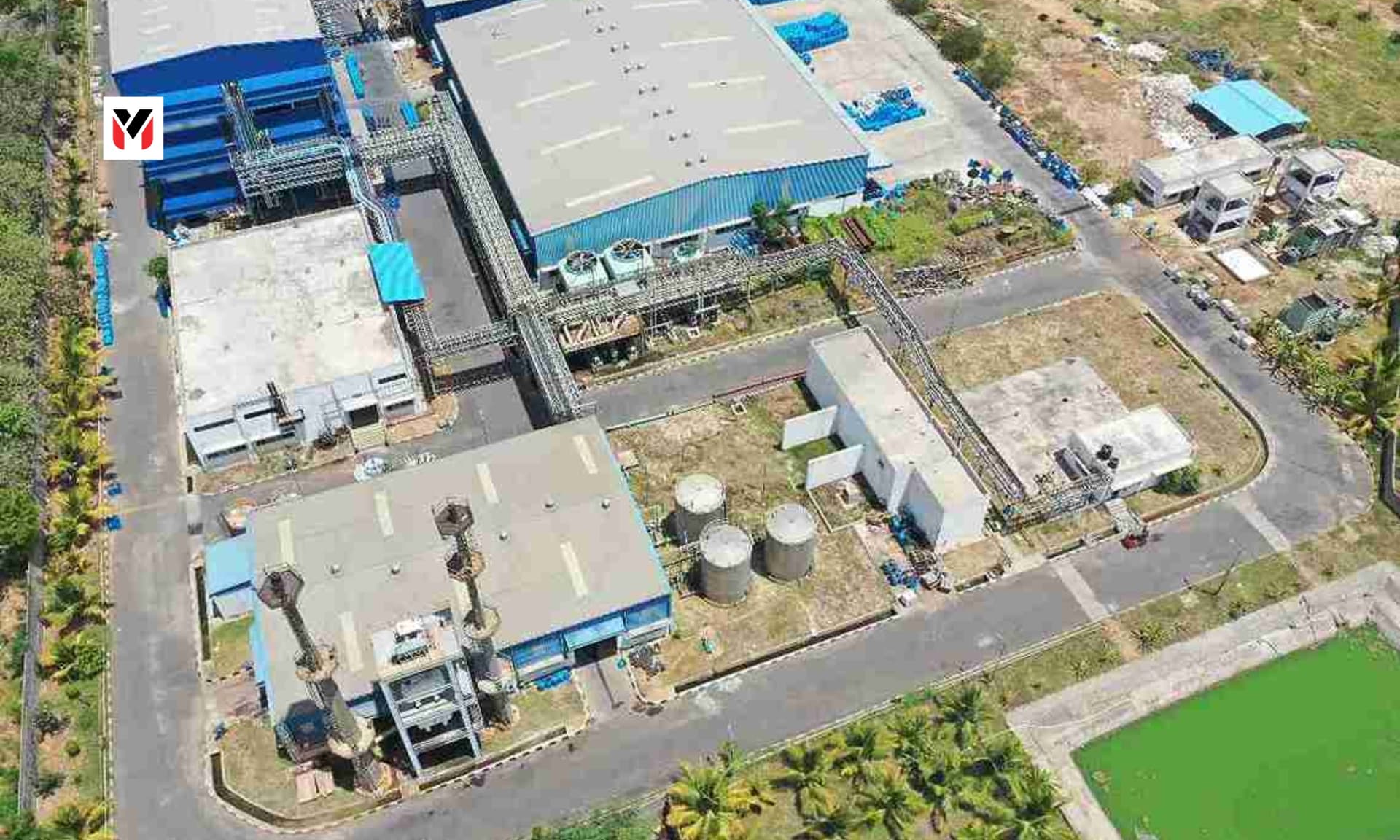
Developing industrial estate in North Karnataka landscape with newly constructed factory sheds and access roads · Editorial preview.
The Industrial Shadow of Bengaluru
Karnataka's industrial reputation is, understandably, dominated by Bengaluru, and for good reason. The city has built one of the country's most consequential aerospace and precision-engineering clusters, anchored by Hindustan Aeronautics Limited and a deep bench of global aerospace engineering centers, alongside its far better-known software and technology services economy. But a narrative built entirely around Bengaluru misses what has quietly become one of the more interesting industrial stories in the state: a deliberate push, through the Karnataka Industrial Areas Development Board, KIADB, to build genuine manufacturing depth several hundred kilometers north, in the Dharwad-Belagavi region, as a counterweight to Bengaluru's increasingly congested and increasingly expensive industrial land market.
When Success Creates Scarcity
The logic behind this push is one every enterprise leader evaluating India's industrial map should understand, because it's a pattern that will likely repeat across other states as their capital-city industrial clusters mature and hit real physical limits. Bengaluru's industrial land, like its residential and commercial real estate, has become genuinely expensive and genuinely scarce over the past decade, a direct consequence of the same economic success that made the city India's technology capital in the first place. For a manufacturer evaluating a new facility, Bengaluru's talent depth and existing supplier ecosystem remain real advantages, but they increasingly come bundled with land costs, traffic congestion, and water stress that make a greenfield location elsewhere in the same state genuinely attractive, provided that location can offer at least some of Bengaluru's underlying advantages without its accumulated costs.
“Karnataka is attempting something harder than simply letting Bengaluru's land market price out new investment: actively building a second industrial geography within its own borders, before that investment moves permanently to another state.”
The Dharwad-Belagavi Logistics Gateway
Dharwad and Belagavi are Karnataka's answer to that calculation. Both regions sit along well-established road and rail connectivity toward Maharashtra and Goa, giving them logistics access that doesn't require building entirely new infrastructure from scratch the way a more isolated location would. KIADB has been developing industrial areas in both regions aimed specifically at manufacturers who want proximity to Karnataka's broader economic ecosystem, its policy environment, its financial institutions, its state government relationships, without needing to compete directly for Bengaluru's increasingly constrained land and labor market.
Retaining Capital Within State Borders
What makes this worth covering as enterprise strategy rather than simply regional development policy is the underlying bet it represents about how a state should manage a maturing flagship industrial cluster. Karnataka could have chosen to let Bengaluru's industrial land market simply price out new manufacturing investment entirely, ceding that investment to other states with cheaper land, and focus the capital exclusively on higher-value services and technology work where land cost matters less. Instead, the state is attempting something harder: actively building a second industrial geography within its own borders specifically designed to capture manufacturing investment that Bengaluru can no longer efficiently absorb, rather than losing that investment to Maharashtra, Gujarat, or Tamil Nadu entirely.
The Resource and Water Strategy
The sustainability dimension of this story deserves particular attention given how central it is to your brief's enterprise coverage priorities. Bengaluru's well-documented water stress, driven by rapid urbanization outpacing water infrastructure investment, has become a genuine operational risk for water-intensive manufacturing located in or near the city. Dharwad and Belagavi, further from Bengaluru's acute urban water pressure, offer manufacturers a way to access Karnataka's broader ecosystem advantages while reducing exposure to a resource constraint that is only likely to intensify in Bengaluru over the coming decade. For enterprise leaders building long-horizon manufacturing strategy, that kind of resource-risk diversification within a single state, rather than abandoning the state entirely, is a more sophisticated read of the sustainability question than simply avoiding India's more water-stressed cities altogether.
The Ground-Floor Window
The honest caveat is that Dharwad and Belagavi do not yet have anything close to Bengaluru's supplier depth, skilled labor density, or institutional maturity, and building that depth will take the same kind of sustained, multi-decade investment that made Pune's Chakan corridor what it is today. Karnataka is earlier in this particular journey than most of the other states covered in this series, which makes it, in some respects, the most instructive feature in this package precisely because it shows a state industrial strategy still being actively built rather than one already matured. Enterprise leaders willing to enter early, the way automakers entered Chakan decades before it became the obvious choice, may find exactly the kind of ground-floor advantage that drove Pune's eventual dominance of the auto manufacturing map.
The Editorial Desk
Perspectives on the people, ideas and businesses shaping what comes next. The articles in this preview are illustrative samples, not reported journalism.
More from the Editorial Desk