Reading Nasscom's Numbers: Revenue Up 6.1%, Hiring Barely Up, and a Revised Base
The annual review of India's technology industry is quoted widely. The figures are estimates, and the base has been revised.

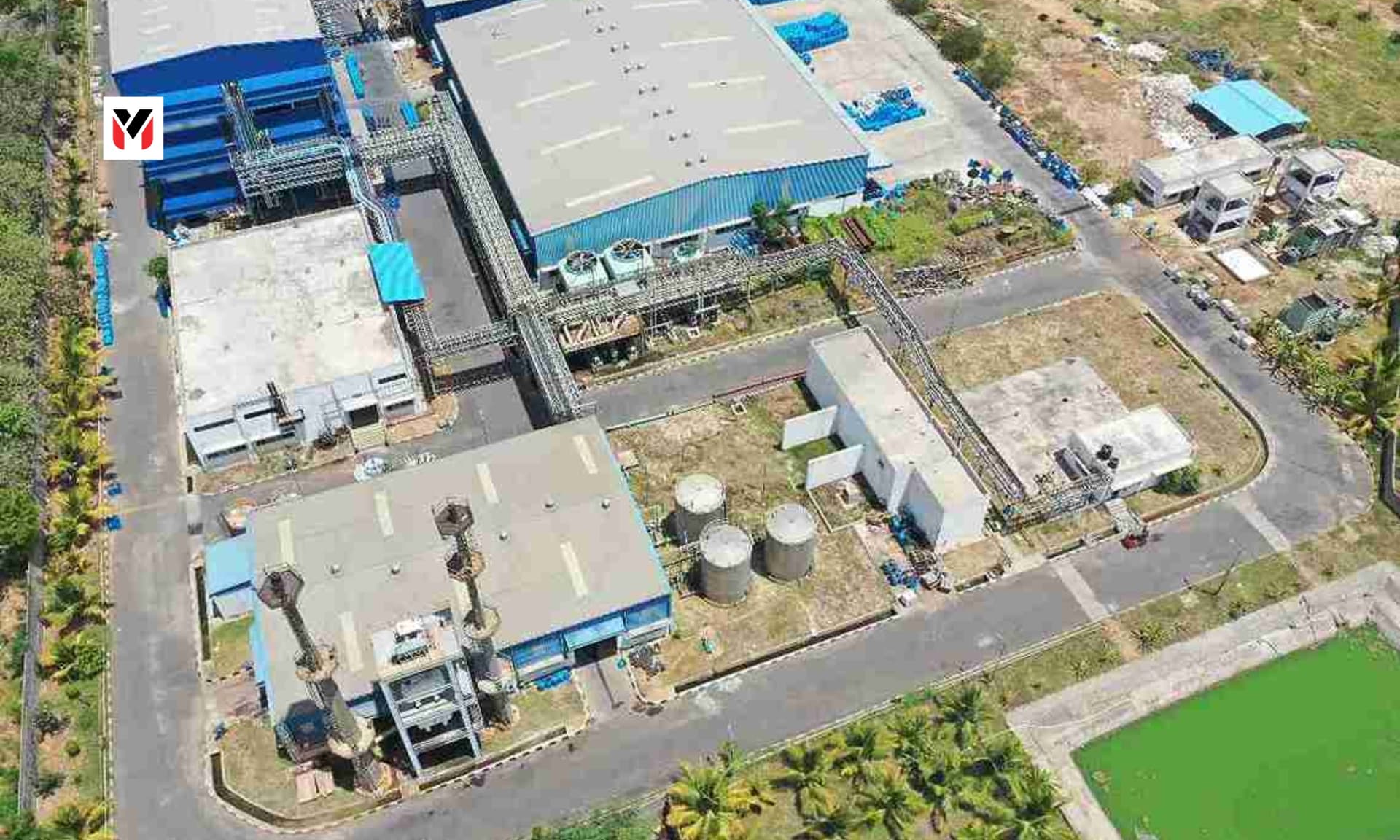
Nasscom FY26 Strategic Review analysis infographic · Editorial preview.
Overview
The National Association of Software and Service Companies publishes a Strategic Review each year that estimates the size of India's technology industry. The FY26 edition, as reported by PTI through ETV Bharat on 24 February 2026, projected revenue to grow 6.1% to US$315 billion. This piece is a reader's guide to the report as covered in the press. We have not read the review itself and we say so.
What the Review Reports
• Revenue: US$315 billion in FY26, up 6.1%, against growth of 5.9% in FY25 according to the Angel One summary. • Exports: US$246 billion, up 5.6%. • Domestic market: up 7.9%, faster than the world average, according to the article. • Employment: 59.5 lakh direct employees, up from 58.15 lakh at the end of FY25, a rise of 2.3%. Net additions were 1.35 lakh, against 1.33 lakh in FY25. • AI revenue: estimated at US$10 to 12 billion. • Segments (FY26 against FY25): core IT services US$149 billion (from 143), business process management 59 billion (from 55), software products 23 billion (from 21), engineering R&D 63 billion (from 59) and hardware 21 billion (from 19).
“The base moved: FY25 was revised up by about US$14.4 billion.”
Our Arithmetic
The five segments listed sum to 149 + 59 + 23 + 63 + 21 = 315, matching the headline. For FY25 the sum is 143 + 55 + 21 + 59 + 19 = 297, which matches the revised FY25 base of US$297 billion that the coverage mentioned. Those checks are ours and are consistent. A growth rate of 6.1% on 297 gives 315.1, consistent as well. Exports of 246 and a domestic market implied at 315 − 246 = 69 sum correctly, though the article did not state the domestic revenue figure.
What Was Revised
The coverage noted that FY25 revenue was revised upward to US$297 billion from an earlier estimate of US$282.6 billion. That is a revision of about US$14.4 billion, or 5.1% of the earlier figure, by our calculation. A reader comparing the new report's growth rate with last year's headline figure should know that the base moved.
What to Check Before Quoting
1. The label. The embedded Nasscom post in one article labelled the US$315 billion as FY25, which conflicts with the article's FY26 framing. We used FY26 as the article does. The Strategic Review's own text is the authority. 2. Estimate versus actual. The figures were released in February, before the financial year ended on 31 March. They are projections, and the final numbers may differ. 3. Hiring. The 2.3% rise in headcount is slower than revenue growth. The "about 2,000" reported in one summary appears to refer to the increase in net additions from FY25 to FY26 (1.35 lakh against 1.33 lakh), not to a total. The coverage described that growth in net additions as among the slowest in many years. 4. AI revenue. The coverage said not all companies report AI revenue, so the US$10 to 12 billion is incomplete. Company AI figures cited alongside it are company disclosures and may use different definitions. 5. Geography. The coverage said growth is shifting towards Asia-Pacific and the Middle East, away from the historical lead of the US and North America.
What the Review Does Not Tell You
From the coverage we can say what is absent. There is no breakdown of GCC revenue in the articles we read, though GCCs are described as a key growth driver and the review notes faster growth in healthcare and travel and transportation partly because of GCC emergence. We drew GCC figures from a different source in our Technology package, which did not name its study. A reader who needs GCC detail should look at the review's sections on them.
Five Questions for the Authors: Our List
1. How are exports and domestic revenue defined where a company serves both? 2. What is the method for estimating companies that do not report? 3. How does the FY25 revision of US$14.4 billion arise? 4. How is AI revenue defined, and how much is double-counted with services? 5. How does the headcount figure treat contract and gig workers?
How to Cite It
Name the producer, the edition and the date, and say whether you are quoting the review or a news report of it. For example: "Nasscom's Strategic Review, FY26 edition (estimates released February 2026), as reported by PTI." Do not state a projection as an outcome.
Where It Fits in Our Coverage & What It Means for Readers
Where it fits in our coverage: The review's headline growth of 6.1% and headcount growth of 2.3% sit alongside the quarterly results we covered in the Technology package. Company results are the reality check on a body's estimates.
What it means for readers: Use the review for the shape of the industry, not as a precise count. If you are making a decision that depends on one number, such as a hiring plan, use the review as context and your own data as the basis.
Status flag: Based on PTI coverage via ETV Bharat (24 Feb 2026) and an Angel One summary (25 Feb 2026); we have not read the Nasscom review. An embedded Nasscom post in one article labels US$315 billion as FY25, which conflicts with the article's FY26 framing.
- ETV Bharat / PTI, 'India FY26 tech revenues hit USD 315 billion', 24 February 2026.
- Angel One, 'India tech industry projected to reach $315 billion in FY26 with AI revenues $10-12 billion', 25 February 2026 (secondary).
- MediaVault Global Magazine, MVG-28 (Technology) and MVG-38 (AN2).
- Our arithmetic, questions and guide are original to MediaVault Global Magazine.
The Editorial Desk
Perspectives on the people, ideas and businesses shaping what comes next. The articles in this preview are illustrative samples, not reported journalism.
More from the Editorial Desk