Climbing Back: What Ola Electric's Numbers Say About Rebuilding a Product Business
Deliveries nearly doubled from the previous quarter, but the company is far below where it was a year ago. How a company recovers from a low point is a product lesson.
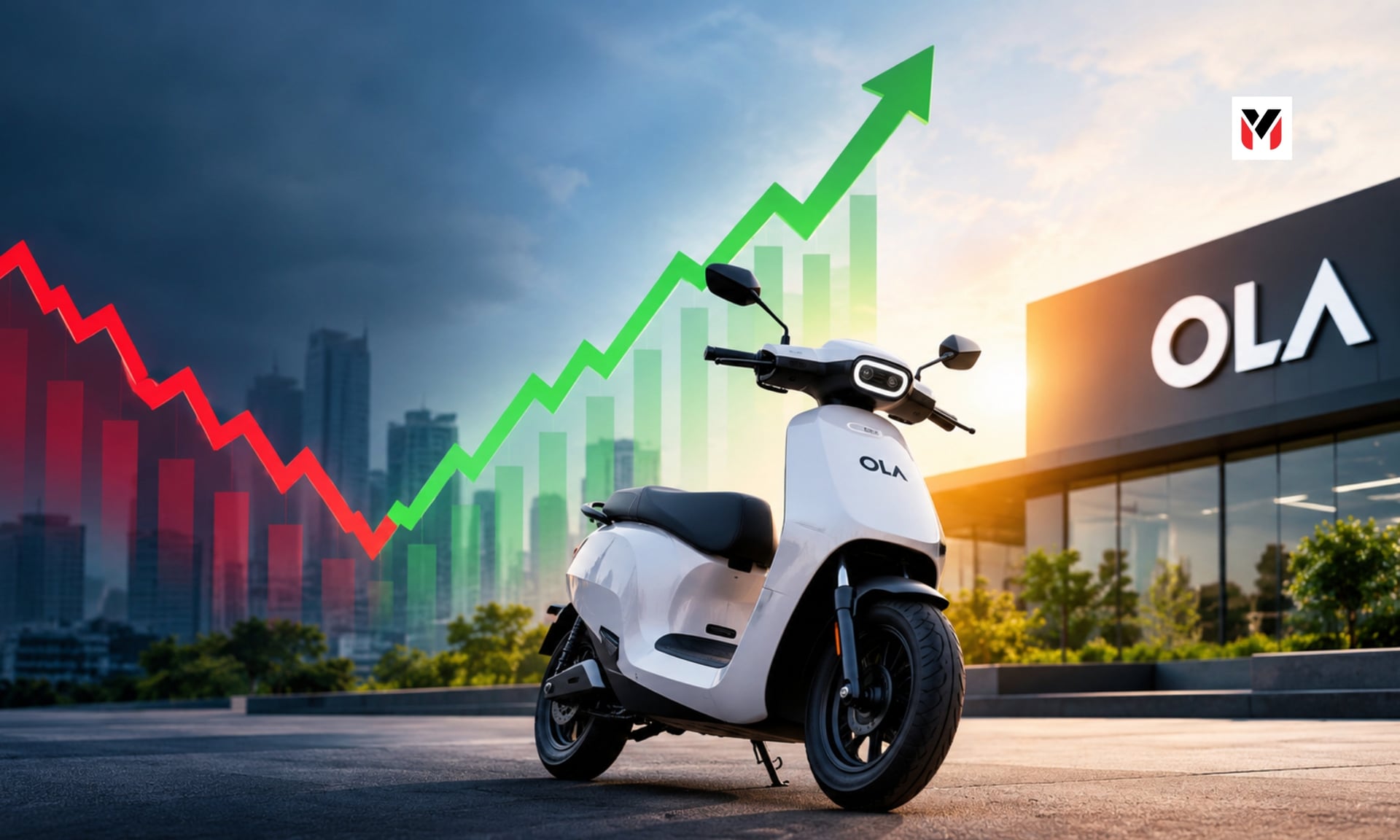
A line chart that dips deeply and then climbs, with a scooter silhouette at the lowest point · Editorial · Analysis preview.
Headline and Overview
Inc42 reported on 10 August 2026 that Ola Electric's revenue for the first quarter of FY27 was Rs 455 crore, up 72% from the previous quarter but down 45% from Rs 828 crore in the first quarter of FY26. The net loss was Rs 336 crore, narrowed 22% year on year from Rs 428 crore and down from Rs 500 crore in the fourth quarter of FY26. Deliveries were 39,192 scooters, up 94% quarter on quarter but well below the 68,192 delivered a year earlier; orders were 44,071. Market share was 8.4%, up from 5.1% in the fourth quarter of FY26, but short of the company's own target of 15 to 20% for the calendar year. For comparison, the article said Ather delivered 83,173 scooters, earned Rs 1,216.9 crore in revenue and held a 16.8% share.
The detail
Gross margin was 30.5%, down from 38.5% in the previous quarter. Consolidated operating expenses fell 22% quarter on quarter to Rs 333 crore, or about Rs 380 crore excluding a credit under the production-linked incentive scheme. Adjusted operating EBITDA was a loss of Rs 195 crore and free cash flow was negative Rs 351 crore. The cell business reported Rs 5 crore in revenue, a Rs 28 crore net loss and Rs 143 crore in free cash outflow; its positive EBITDA came from the PLI credit. The company raised Rs 780 crore through a qualified institutional placement in the quarter. Its 6 GWh gigafactory was now expected to be operational by September, a quarter later than planned.
“Recovering from a very low base rather than returning to the volumes it once commanded.”
The caveat in the report
Inc42's own caveat was that the company is "recovering from a very low base rather than returning to the volumes it once commanded." It also warned: "A recovery driven mainly by lower-priced models will limit how quickly the topline can recover." Margins fell, and the cost improvement partly depends on the PLI credit.
Lessons for product businesses: our analysis
1. Recovery has a shape. Quarter-on-quarter growth of 72% in revenue sounds dramatic, but the year-on-year fall of 45% tells you where the company started. Always check both comparisons.
2. Price can win volume and cost margin. Selling cheaper models helped deliveries but reduced gross margin from 38.5% to 30.5%. A company must decide how much margin to give up to regain share.
3. Subsidies can mask the real picture. The article noted that the cell business's positive EBITDA came from the PLI credit. A product that is profitable only with government support is not yet proven on its own.
4. Delays have a cost. A gigafactory that slips by a quarter delays the cost benefits that justified building it.
5. Trust takes longer to rebuild than numbers. The sources do not discuss customer satisfaction or service quality, but in a product that people use daily, those are what decide repeat purchases and referrals.
Questions we would ask
How long are customers waiting for service? How does the company handle complaints? What is the plan to reach the share target? What does each scooter earn after all costs? How much cash does the business burn per quarter, and how long can the QIP proceeds last? The reported free cash outflow of Rs 351 crore in a single quarter puts these questions in perspective.
A balanced view
The numbers show real improvement from the previous quarter: lower losses, higher deliveries and a rising share. They also show that the business remains loss-making and well short of its goals. The company's cell business is early and small. Whether it becomes a strength depends on yields, costs and customers that the sources do not describe.
For founders
When a product has stumbled, honest reporting helps. A founder can say which numbers have improved, which have not and what the plan is for each. Investors, customers and staff are more patient with candour than with spin.
For suppliers and dealers
If you supply or sell for a company in recovery, protect yourself with clear payment terms and regular reviews, and watch the company's reported cash position.
What to watch next
The next quarter's results will show whether deliveries keep rising without a further fall in margin, whether the gigafactory starts as now expected, and whether cash burn narrows. A single good quarter is a signal; two or three in a row is a trend. Readers should compare each new report against these specific markers rather than headline growth alone.
- Inc42, 'Ola Electric's Comeback Quarter Comes With A Caveat', 10 Aug 2026
- Editorial analysis based on Inc42's reporting of Ola Electric's results (10 Aug 2026).
The Editorial Desk
Perspectives on the people, ideas and businesses shaping what comes next. The articles in this preview are illustrative samples, not reported journalism.
More from the Editorial Desk