Build the Night: Why Storage, Not More Solar, Is India's Energy Priority
The country can build panels fast. It cannot yet move midday power to the evening at scale. We think policy attention should follow the bottleneck.
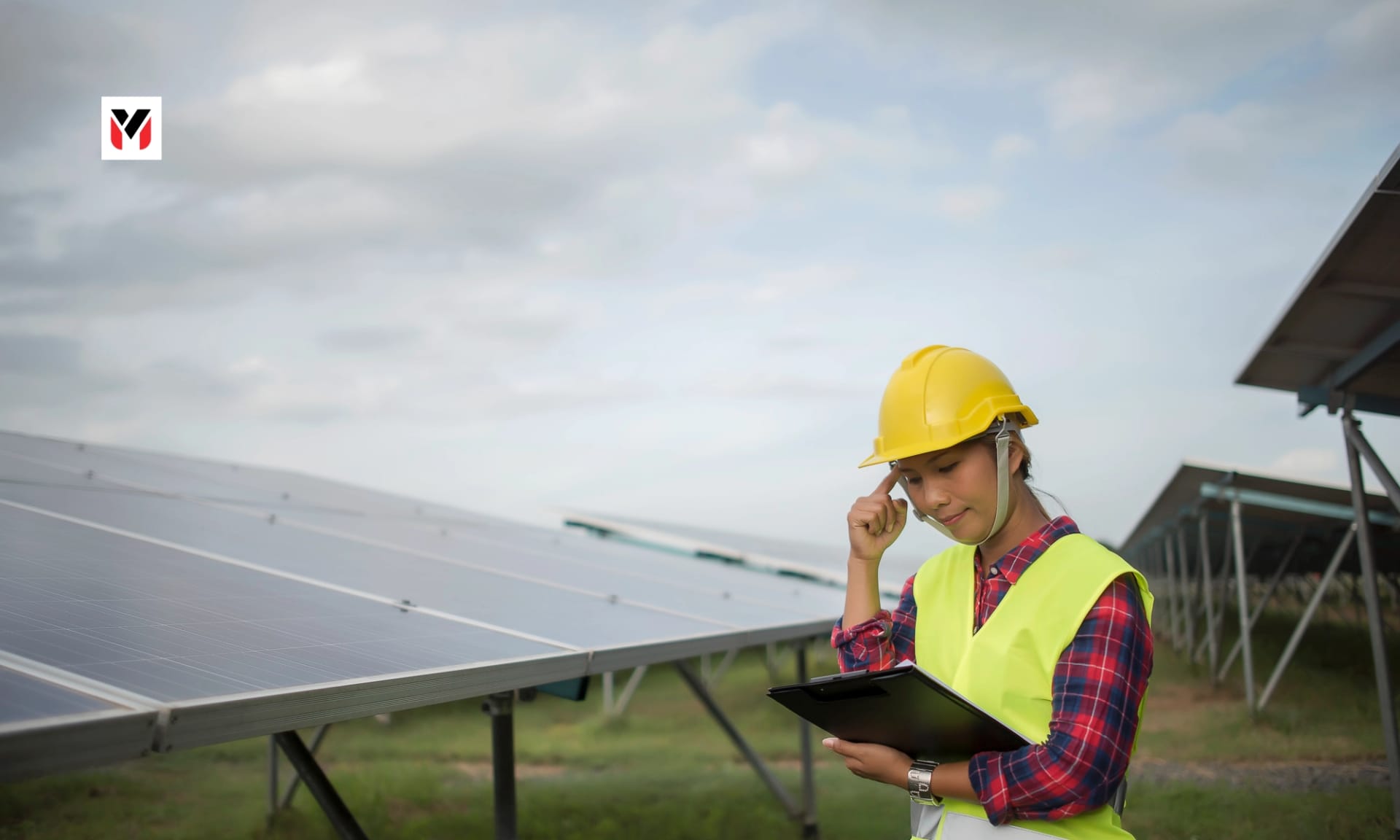
Energy storage over solar buildout editorial illustration · Opinion preview.
The Editorial Desk's Position
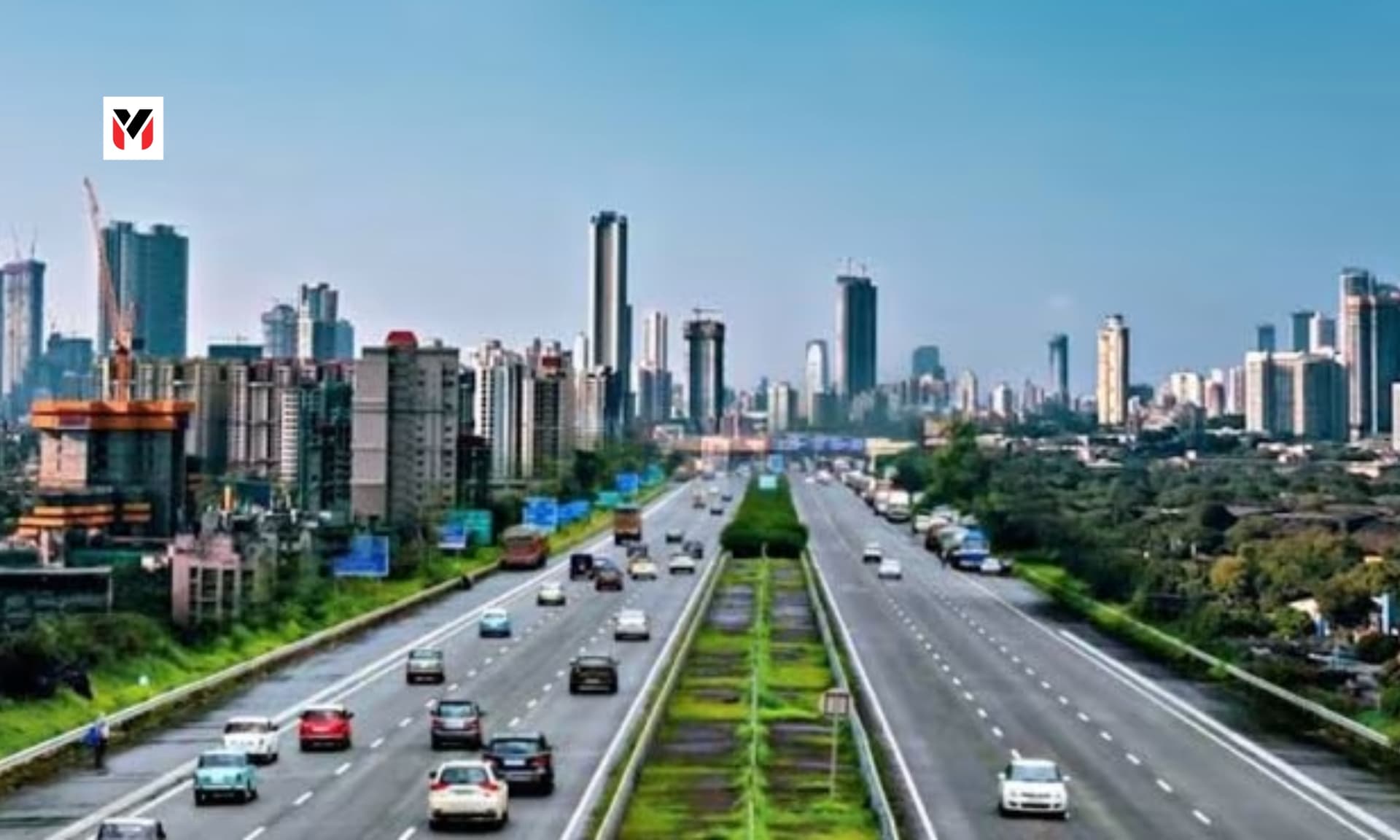
India added 13.9 GW of renewable capacity in April to June 2026 alone, taking solar to 162 GW by 30 June, according to MNRE data reported by Energetica India. CREA put solar at 168 GW by the end of September. Solar generation grew 39% in the quarter and set a daily record of 705 million units on 30 September. It is a remarkable build-out.
Our view is that the next policy dollar and the next policy hour should go to storage, transmission and contracts, not to more panels.
The Evidence
1. The day is already well supplied. CREA reported that the daily peak fell within solar hours on 62 of the 92 days of July to September. About 1,835 million units of renewable output were curtailed in July and August, 1,462 million of it solar. Our rough arithmetic is that this is under 2% of renewable generation, which is not large, but it is the first sign of saturation in some places. 2. The night is not. Coal and lignite supplied about 66% of generation in the quarter, up 12.5%, and plant coal stocks fell to 21 million tonnes by 30 September, 36% of the normative requirement. Battery storage of about 9.1 GWh supplied up to 5.5 GW at night, about 2% of the 270 GW peak by our division. 3. The pipeline is mostly paper. IEEFA reported about 103.4 GW of storage tendered, about 50 GW awarded and about 10.3 GW commissioned, under 10% of the tendered volume. The Central Electricity Authority's target for 2030 is 60.63 GW, which means commissioned capacity would need to grow about sixfold in four years. Awards in April to June 2026 fell about 78% year on year to roughly 920 MW. 4. Contracts are stuck. IEEFA reported that MNRE proposed a one-time, no-subsidy package for about 44.8 GW of renewable capacity that has award letters but no signed power purchase agreements. That is more than three times the 13.9 GW installed in the first quarter. We have not seen the proposal. 5. Costs are moving the wrong way. IEEFA reported that cell prices rose for a fourth straight month in June 2026 to about US$55 per kWh ex-works in China, and India has about 2.5 GWh of cell manufacturing against about 60 GWh of pack assembly capacity.
“The generation could be built. Nobody has agreed to buy it.”
What We Argue
First, tenders should favour longer duration. The Ministry of Power's clarification of a minimum of four hours of daily discharge is welcome. Two-hour systems, about 3,000 MW of the April to June tenders, address a short peak, not a long night.
Second, the contract backlog should be cleared quickly. 44.8 GW of awarded but uncontracted capacity is a failure of a different kind than a failure of construction: the generation could be built, but nobody has agreed to buy it.
Third, state distribution companies need a reason to sign. That may mean sharing risk, clearer curtailment compensation, and fewer open-ended solar-only commitments.
Fourth, the domestic cell gap deserves attention, but not at any price. We take no position on subsidy design. We argue only that rising cell prices are a cost to every tender.
The Strongest Counter-Argument
A fair opponent would say that more solar is still cheap, still needed, and still the fastest way to cut emissions and imports of fuel; that curtailment under 2% is small; that storage is expensive and rising in price; and that cheap daytime power is itself valuable, because industry can learn to use it. They would add that the evening gap is real but that demand management, pumped hydro and a better grid can fill it, and that stopping solar tenders would raise coal use.
We agree on several points. We do not argue for stopping solar. We argue for the marginal priority: the next unit of attention yields more in storage and contracts than in panels. And we agree that daytime industrial demand is an underused lever.
What Would Change Our Mind & Practical Action
What would change our mind: If curtailment stayed small as solar doubled, if storage commissioning accelerated to match the target, or if evidence emerged that demand shifting could absorb the midday surplus at lower cost, we would rethink.
What you can do: If you run a business, check how much of your load is in daylight, as our Energy practical guide suggests, and ask about storage quotes.
Status flag: Opinion. Facts from CREA (Q2 2026-27), IEEFA (data as of June 2026) and MNRE-based reporting. The 44.8 GW proposal is secondhand via IEEFA.
- Energetica India, Q1 FY27 renewable additions, 15 July 2026 (MNRE data).
- CREA, India Energy Snapshot, Q2 2026-27, October 2026.
- IEEFA, India energy storage key findings (data as of June 2026).
- MediaVault Global Magazine, MVG-35 (Energy).
- This is an opinion piece by the MediaVault Global Magazine editorial desk.
The Editorial Desk
Perspectives on the people, ideas and businesses shaping what comes next. The articles in this preview are illustrative samples, not reported journalism.
More from the Editorial Desk