What If? A Stress Test Any Owner Can Run on One Page
The RBI has started to raise rates, and fuel and demand are uncertain. A simple one-page test shows how much cushion your business has.

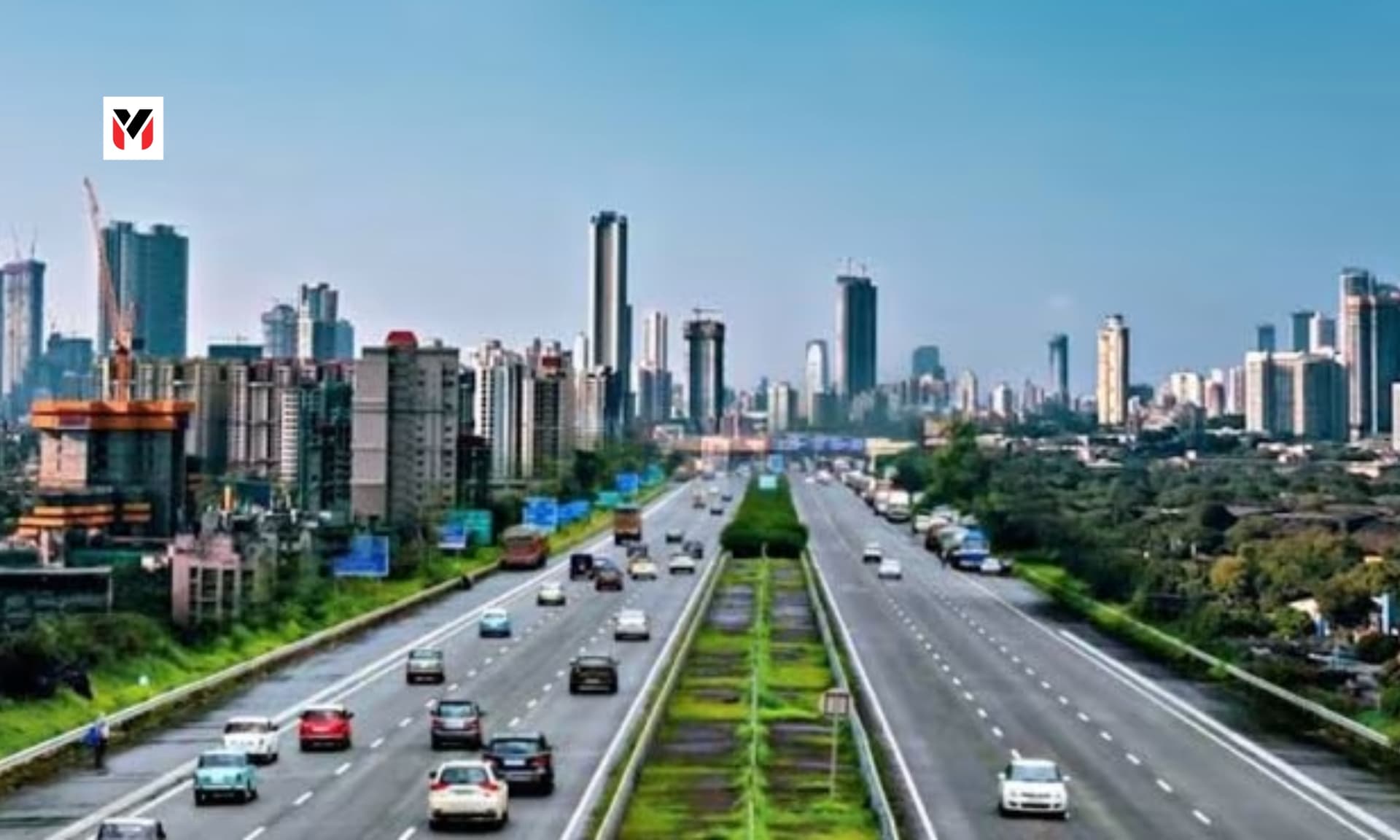
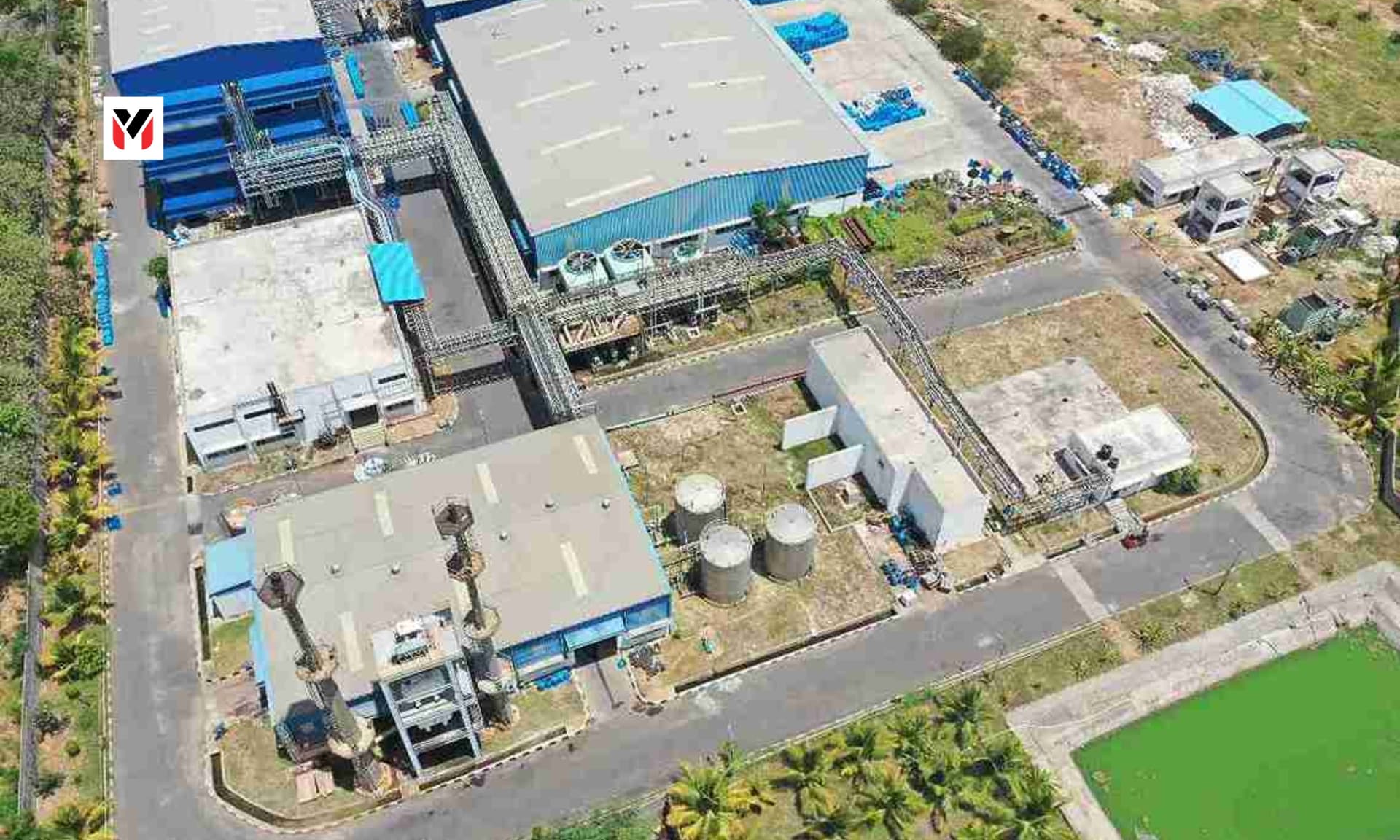
Small business one-page sensitivity stress testing editorial illustration · Editorial preview.
Introduction
A stress test asks how a business would fare if conditions worsened. Banks do it formally; the RBI's Financial Stability Report, as summarised by PSU Watch on 30 June 2026, described stress scenarios in which banks' gross bad loans could reach 3.8% or 4.1% against a baseline of 1.9% by March 2028. Small businesses can do a simpler version in an hour. This guide is our method; the numbers are invented and the firm does not exist.
Steps 1 to 3: Base Case, Plausible Shocks, and Isolated Testing
Step 1: Write the base case List your annual sales and each major cost, split into those that move with sales (variable) and those that do not (fixed). Our invented firm, Maple Components, has sales of Rs 10 crore. Costs: materials Rs 6.0 crore (variable), freight Rs 0.8 crore (variable), staff Rs 1.2 crore (fixed), power Rs 0.3 crore (assumed fixed), other overheads Rs 0.7 crore (fixed), and interest on a Rs 3 crore loan at 10%, Rs 0.3 crore. Profit before tax is Rs 10 − 9.3 = Rs 0.7 crore, or 7% of sales.
Step 2: Choose shocks Choose shocks that are plausible, not catastrophic, and that match your exposures. We use three: • Interest: the loan rate rises by two percentage points, from 10% to 12%. • Fuel: diesel prices rise 10%. The DPIIT-NCAER study, reported by Outlook Business, found fuel makes up 42.1% of road freight expenses, so we assume freight cost rises 10% × 42.1% = 4.21%. • Demand: sales fall 15%.
Step 3: Test each shock alone • Interest at 12%: interest cost is 3 × 12% = Rs 0.36 crore, up Rs 0.06 crore. Profit is Rs 0.64 crore. • Fuel up 10%: freight rises by 0.8 × 4.21% = about Rs 0.034 crore, or Rs 3.4 lakh. Profit is Rs 0.667 crore. • Demand down 15%: sales are Rs 8.5 crore. Materials and freight, being variable, fall 15% to Rs 5.1 crore and Rs 0.68 crore. Fixed costs are unchanged: Rs 1.2 + 0.3 + 0.7 + 0.3 = Rs 2.5 crore. Total costs are Rs 8.28 crore. Profit is Rs 0.22 crore.
The lesson is immediate. In this invented firm a 15% fall in demand cuts profit by about 69% (from 0.70 to 0.22), while a two-point rate rise cuts it by about 9% and a 10% fuel rise by under 5%. The ranking depends on the firm's cost structure. A firm with more debt or more freight would rank them differently.
“The number to remember is how far sales can fall before you lose money.”
Steps 4 & 5: Combined Shocks and Finding the Breaking Point
Step 4: Combine Apply all three together. Sales Rs 8.5 crore; materials Rs 5.1 crore; freight Rs 0.68 × 1.0421 = Rs 0.709 crore; staff Rs 1.2 crore; power Rs 0.3 crore; overheads Rs 0.7 crore; interest Rs 0.36 crore. Total costs Rs 8.369 crore. Profit is about Rs 0.131 crore, or Rs 13 lakh, 1.5% of sales. The firm survives with a thin margin. A further 5% fall in demand would likely push it to a loss.
Step 5: Find the breaking point Ask what level of sales produces zero profit. Using the invented figures, fixed costs including interest at 12% are Rs 1.2 + 0.3 + 0.7 + 0.36 = Rs 2.56 crore. Variable costs are about 68.0% of sales (materials 60% plus freight 8%, with fuel adding 0.34 percentage points, so about 68.3%). Contribution per rupee of sales is about 31.7 paise. Break-even sales are Rs 2.56 crore divided by 0.317, about Rs 8.08 crore, which is 19% below the base case. The firm has about 19% of sales cushion before it makes a loss in this scenario. That figure is the one an owner should remember.
Step 6: Management Action & Real-World Inputs
Step 6: Decide what to do For each shock, list responses: fix part of the loan rate, renegotiate freight, consolidate shipments, build a cash buffer, find a second customer, trim fixed costs, or agree flexible payment terms with suppliers. Choose the one that costs least and cuts the largest exposure.
What the exercise does not tell you: It does not predict anything. It assumes costs behave in simple ways. It ignores working capital, which can be the real constraint when sales fall and customers pay late. It does not capture the interaction of shocks, such as a downturn that also raises bad debts. Use it as a conversation starter with your accountant and lender.
Using real inputs: The RBI's repo rate rose to 5.50% on 7 October 2026, according to SCC Online, and the policy statement as summarised said rate cuts were off the table in the near term. How your loan rate moves depends on your lender, your benchmark and your reset date. Check them.
A One-Page Template
• Base case: sales, variable costs, fixed costs, interest, profit. • Shocks: interest, fuel, demand. • Results: alone and combined. • Break-even sales and margin of safety. • Three actions.
Status flag: The method and all numbers in the worked example are ours and invented. Real figures cited (RBI repo rate, share of fuel in road freight) are attributed. Not financial advice.
- PSU Watch, report on the RBI Financial Stability Report, 30 June 2026 (stress scenario context).
- SCC Online, RBI policy summary, 9 October 2026.
- Outlook Business, DPIIT-NCAER logistics cost assessment (fuel at 42.1% of road freight expenses).
- Our method and worked example are original to MediaVault Global Magazine. Maple Components and all its figures are invented.
The Editorial Desk
Perspectives on the people, ideas and businesses shaping what comes next. The articles in this preview are illustrative samples, not reported journalism.
More from the Editorial Desk