Not Just Bengaluru: Where India's Patents Actually Come From
Tamil Nadu led the states and universities filed more than a third of all applications. The map of innovation is wider and more academic than the startup headlines suggest.

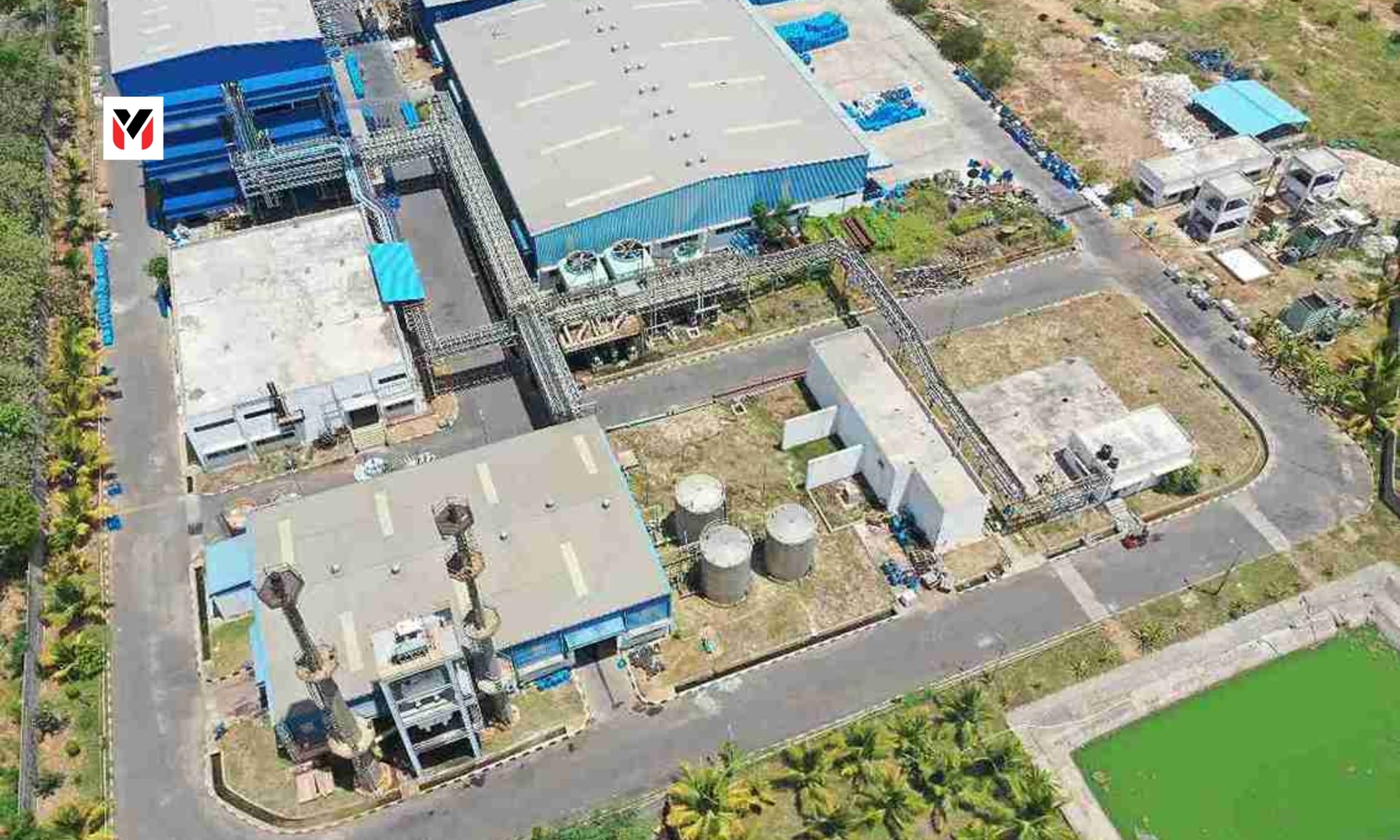
A university building connected by a bridge to an industrial estate in charcoal and red palette · Editorial · Analysis preview.
Beyond the Metro Startup Narrative
The usual story of Indian innovation is told through startups in Bengaluru, Gurugram and Mumbai. The patent data for 2025-26, reported by IANS on 12 April 2026, adds detail that complicates that picture. Tamil Nadu led all states with 22,995 filings.
Educational institutions accounted for 36.5% of total applications. And Goyal, announcing the numbers, credited innovators from Tamil Nadu, Karnataka and Maharashtra for the domestic share, which was above 69%. The reports did not give a full state-by-state table, so we limit ourselves to what they stated.
What the 36.5% Campus Share Suggests
When universities file more than a third of the patents, the base of invention is partly academic. This is a strength and a challenge. Campuses produce ideas, often with public money. But a patent held by a university is of little economic value until a company licenses it, builds on it or hires the inventors.
The government measures cited in the reports, including reduced fees for educational institutions and free filing help, are designed to increase filings. The harder step is connecting those filings to businesses.
“A patent on a campus shelf is an idea waiting for a customer.”
Technology Transfer in Practice: Our Framework
The following is general guidance drawn from common practice, not from the reports.
1. Start with the problem. Companies should tell universities what they need, rather than waiting for a patent list. A specific request, such as a lower-cost casting method, leads to more useful collaboration than a general search.
2. Agree terms early. Disputes over who owns improvements can stall a project. A short, clear agreement on ownership, licence fees and publication rights helps.
3. Share people, not just paper. A graduate student or researcher who spends time inside the company often transfers more knowledge than a document.
4. Start small. A pilot with a defined budget and timeline builds trust for larger projects.
5. Measure the result. Track whether the project produced a product, a cost saving or a new customer, not just a licence signed.
Why Tamil Nadu Matters & Industrial Clusters
Tamil Nadu's lead is consistent with the state's industrial base, which includes electronics, automotive and textile clusters, and a large number of engineering colleges. The reports did not explain the lead, so we do not claim a cause.
What can be said is that a state with both factories and campuses has the ingredients for collaboration, as we describe in our SIPCOT corridor feature in the Enterprise section.
For clusters outside the big cities: A mid-sized manufacturer in an industrial estate near a regional engineering college has options that a startup in a coworking space may lack: access to labs, student projects and faculty who can test materials or design tools. Many such firms never ask. A visit to the nearest institution's research office, with a clear problem to discuss, costs little.
Cautions, Commercialisation, and What to Watch
Patent counts do not tell us about the quality of the inventions, nor about how many campuses have the staff to manage commercialisation. A cautious reader would also note that educational institutions face incentives to file for academic evaluation purposes, which may inflate numbers. That is a possible factor, not a finding of the reports.
What to watch: The key indicators will be the number of university patents that are licensed to companies, the revenue they generate and the number of spin-off firms. If those rise, the filing boom will have turned into economic activity.
A Hypothetical Foundry Case & Approaching Campuses
A short case-style illustration (hypothetical): Imagine a mid-sized foundry near an engineering college that wants to reduce the scrap rate in a casting process. It writes a one-page description of the problem and sends it to the college's research office. A faculty member and two students run tests for a semester, the foundry supplies materials and access to the plant, and both sides agree in advance how any improvement will be owned. The scrap rate falls, the students gain experience and one is hired. This is an illustration of the method, not a company we have reported on, but it shows how little is needed to start.
Questions for a company approaching a campus: Who in the institution decides on licences? How long does a typical agreement take? Will students be able to work on confidential material? Who pays for materials and testing? Having these answers early prevents surprises and shows the institution that you are a serious partner. It also helps to start with a department that already has industry links, because its staff understand the pace and expectations of business.
Editorial analysis. Figures as reported by IANS and Outlook Business (12 April 2026); the technology-transfer framework is ours.
- IANS, 12 April 2026; Outlook Business, 12 April 2026 (patent filings FY26, state and institutional shares)
The Editorial Desk
Perspectives on the people, ideas and businesses shaping what comes next. The articles in this preview are illustrative samples, not reported journalism.
More from the Editorial Desk