Payments That Need No Typing: The Next Layer of UPI
After a decade of growth, UPI is adding new ways to pay and a new way to get help when something goes wrong.
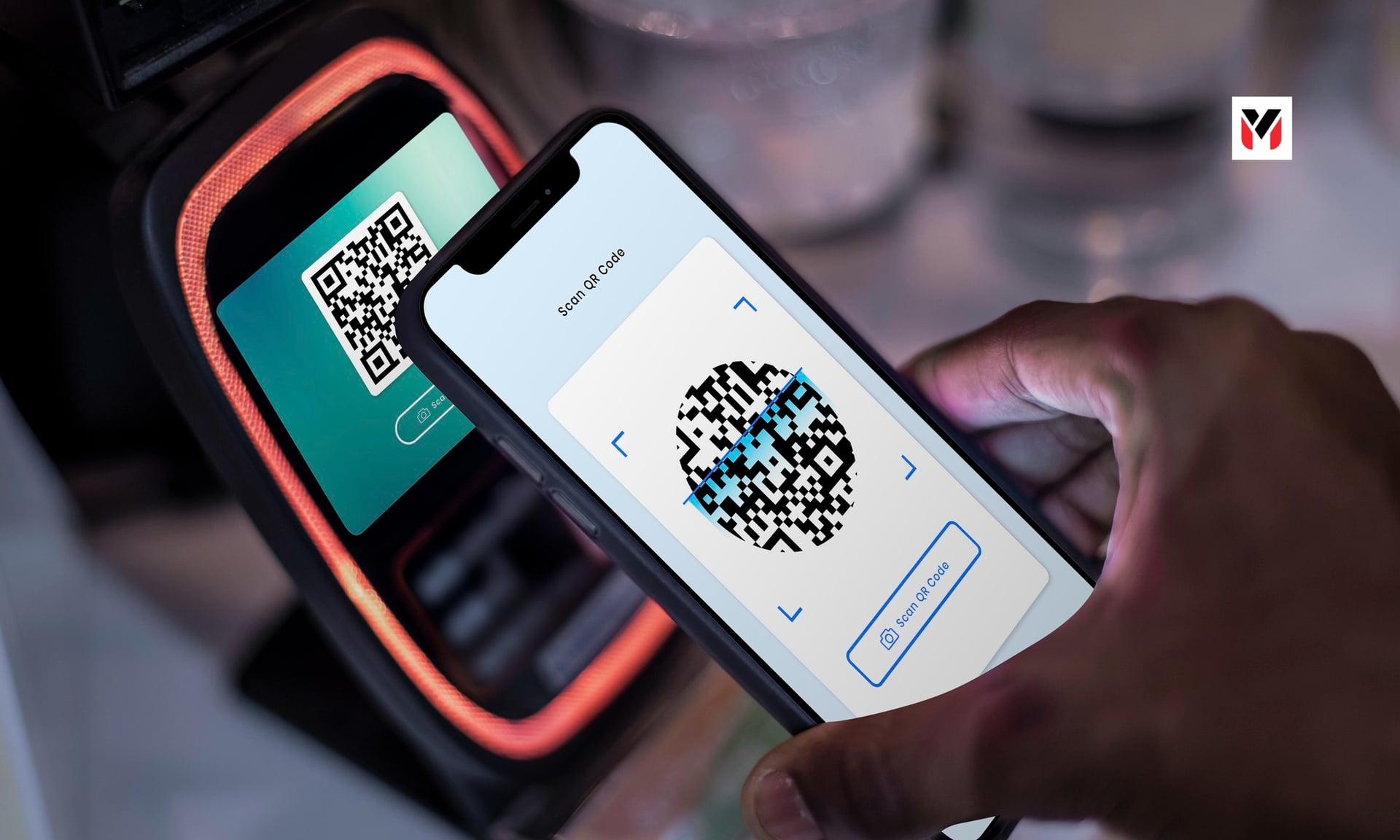
A phone tapping a payment terminal with a shield icon beside it · Editorial · Analysis preview.
Headline and Overview
At Global Fintech Fest 2026, on 10 September, RBI Governor Sanjay Malhotra launched two customer-focused UPI innovations, according to CXOToday: UPI Tap & Pay on point-of-sale terminals and MyUPI, an AI-powered support platform.
UPI Tap & Pay
Users unlock an NFC-enabled smartphone and tap it on an NFC-enabled POS terminal. The article said the feature "does not rely on user's mobile internet connectivity", because the terminal's connection completes the transaction. Payments up to Rs 5,000 are PIN-less, and larger amounts require the UPI PIN on the terminal. It supports multiple account types, including RuPay credit cards on UPI.
“After winning on speed, UPI is now competing on trust.”
MyUPI (UPI Help 2.0)
MyUPI is built on NPCI's small language model, FiMI. The article listed a single view of UPI transactions and AutoPay mandates across banks and UPI apps; a Safety Switch; UPI Number Delink; payee information before payment; automated chargeback processing; and Transaction Replay. It offers 24x7 multilingual support and self-service.
The same article noted that biometric-authenticated UPI transactions had passed 6.29 billion as of 31 August 2026. An earlier report from Mobile ID World, in July 2025, had described NPCI preparing biometric authentication that would make PINs optional, with users able to opt in or out; the plan was then described in cautious language and no launch date had been confirmed. The 2026 figure suggests biometric authentication is now in use, though we have not seen the details of how or where.
What it means for product teams: our analysis
1. Remove steps people dislike. Tap & Pay removes the need to open an app, scan or type, and the PIN-less limit removes another step for small payments. Every removed step raises the share of people who complete a purchase.
2. Trust is a product feature. MyUPI's focus on safety, chargebacks and payee information responds to the main reason people hesitate with digital payments: fear of losing money. Features that reduce that fear can be as valuable as ones that speed things up.
3. Support is part of the product. Automated chargeback processing and a single view of transactions across apps address the long wait and confusion users often face when something goes wrong. A product that solves problems quickly keeps users.
4. Offline-friendly design widens reach. A payment that works without the user's mobile data suits places with poor connectivity. Designing for the worst connection often benefits everyone.
5. Limits are design decisions. The Rs 5,000 PIN-less ceiling balances convenience against fraud. Teams should choose limits deliberately and monitor results.
What merchants should do
• Check your terminal. Ask your bank or acquirer whether your POS supports the NFC feature and whether it must be enabled. • Train staff. Counter staff should know how the tap works, and how to handle a failed payment without asking customers to repeat it blindly. • Review refunds. With automated chargebacks, disputes may be resolved faster. Keep records of sales so you can respond. • Watch for fraud. Convenience can be exploited. Confirm that a payment has been credited before releasing goods.
What builders should do
If you build apps or services that use UPI, read NPCI's technical documentation for these features as they become available. Consider how your product's checkout, receipts and customer support will work alongside them. If your customers use your app for support, note that a central help platform may handle some queries you handle today.
Cautions
We have relied on a single report of the launch and a 2025 report on biometrics. We do not know the rollout dates for each bank and app, how many terminals support the feature or what the fraud rates will be. A responsible team should wait for official documentation before promising features to customers.
Why it matters beyond payments
UPI is a good example of a product that keeps improving at the edges after it has won its core market. Founders can learn from the sequence: win on the basic job, then reduce friction, then build trust and support.
A practical test for your own roadmap
List the steps a customer takes to pay or to get help in your product today. Circle the ones that exist only because of technology limits rather than customer need. Those are your candidates for removal. Then list the moments when a customer feels afraid or confused, and ask what information or safeguard would calm them. UPI's latest additions are answers to exactly these two lists.
- CXOToday, 'RBI Governor Unveils New UPI Capabilities at GFF 2026', 10 Sept 2026
- Mobile ID World, 'India's NPCI to Launch Biometric Authentication for UPI Payments, Making PINs Optional', 29 July 2025
- Editorial analysis based on CXOToday (10 Sept 2026) and Mobile ID World (29 July 2025).
The Editorial Desk
Perspectives on the people, ideas and businesses shaping what comes next. The articles in this preview are illustrative samples, not reported journalism.
More from the Editorial Desk